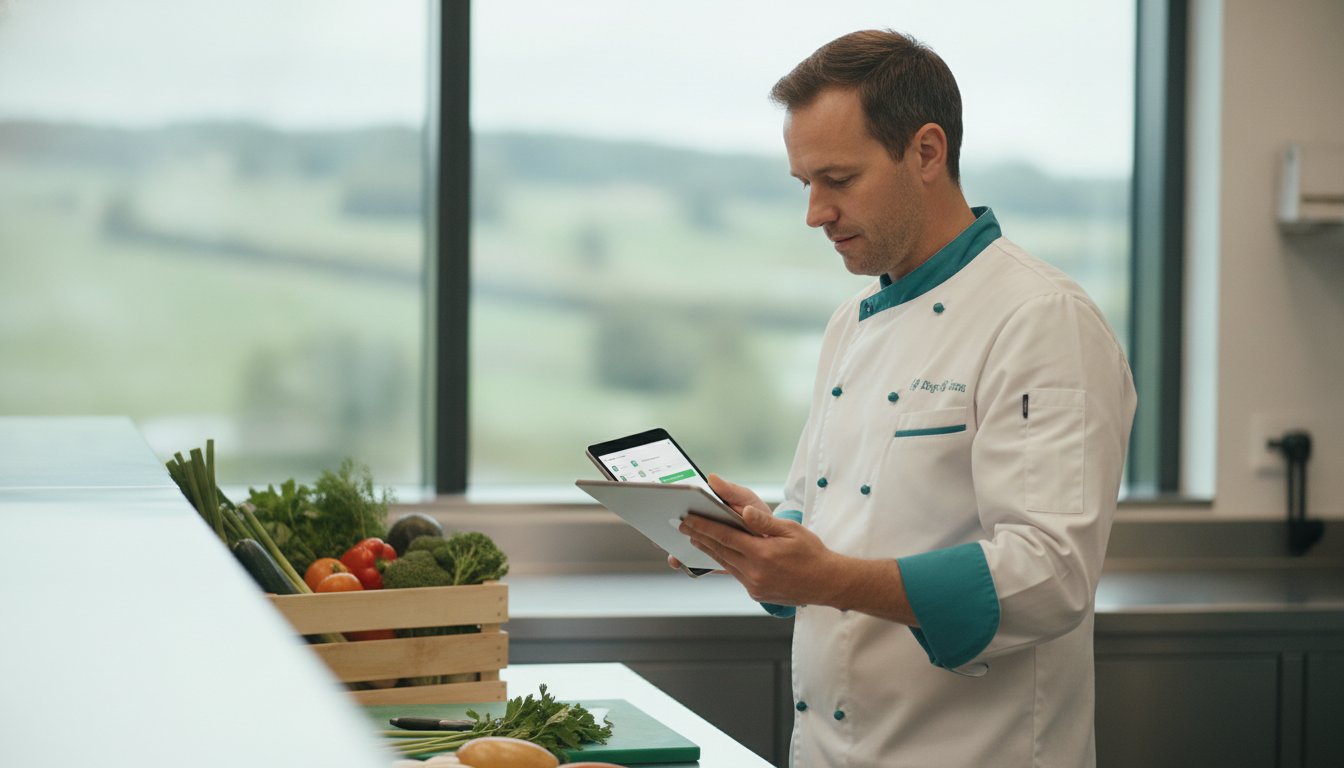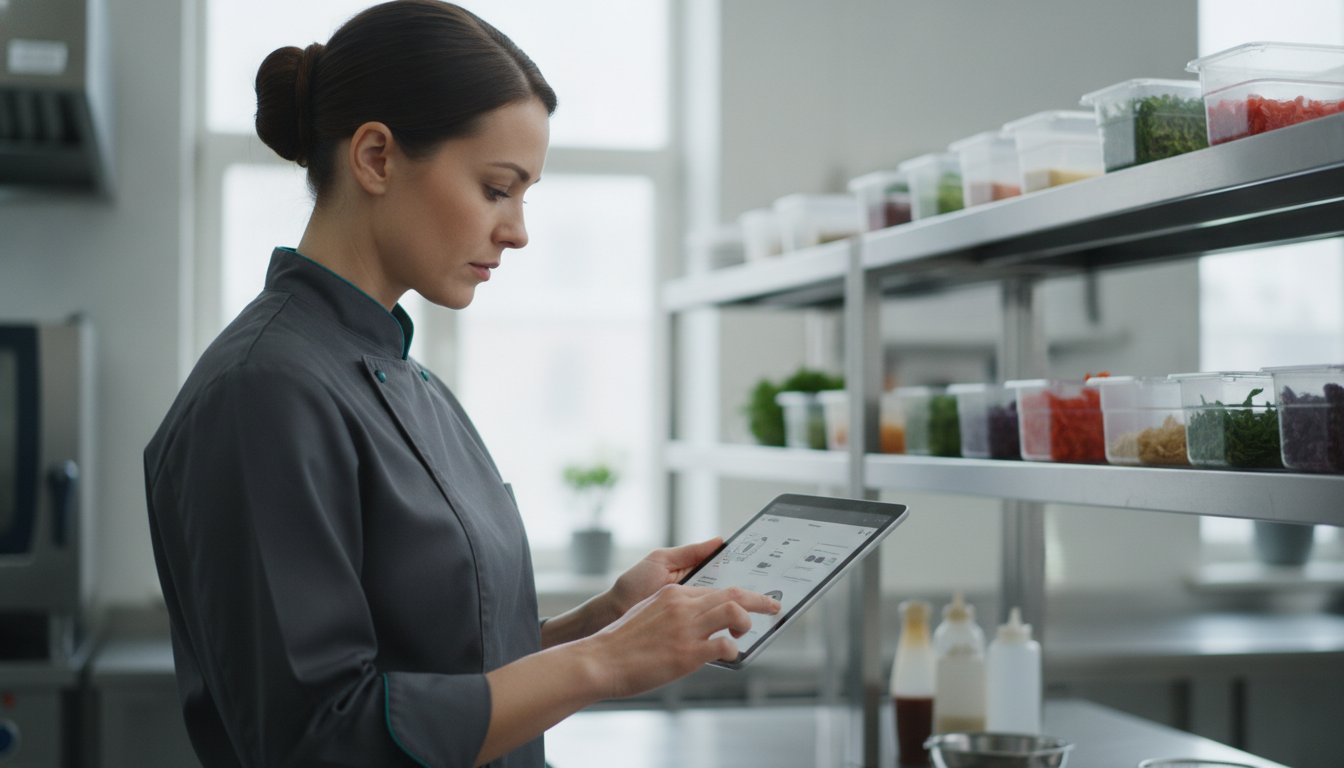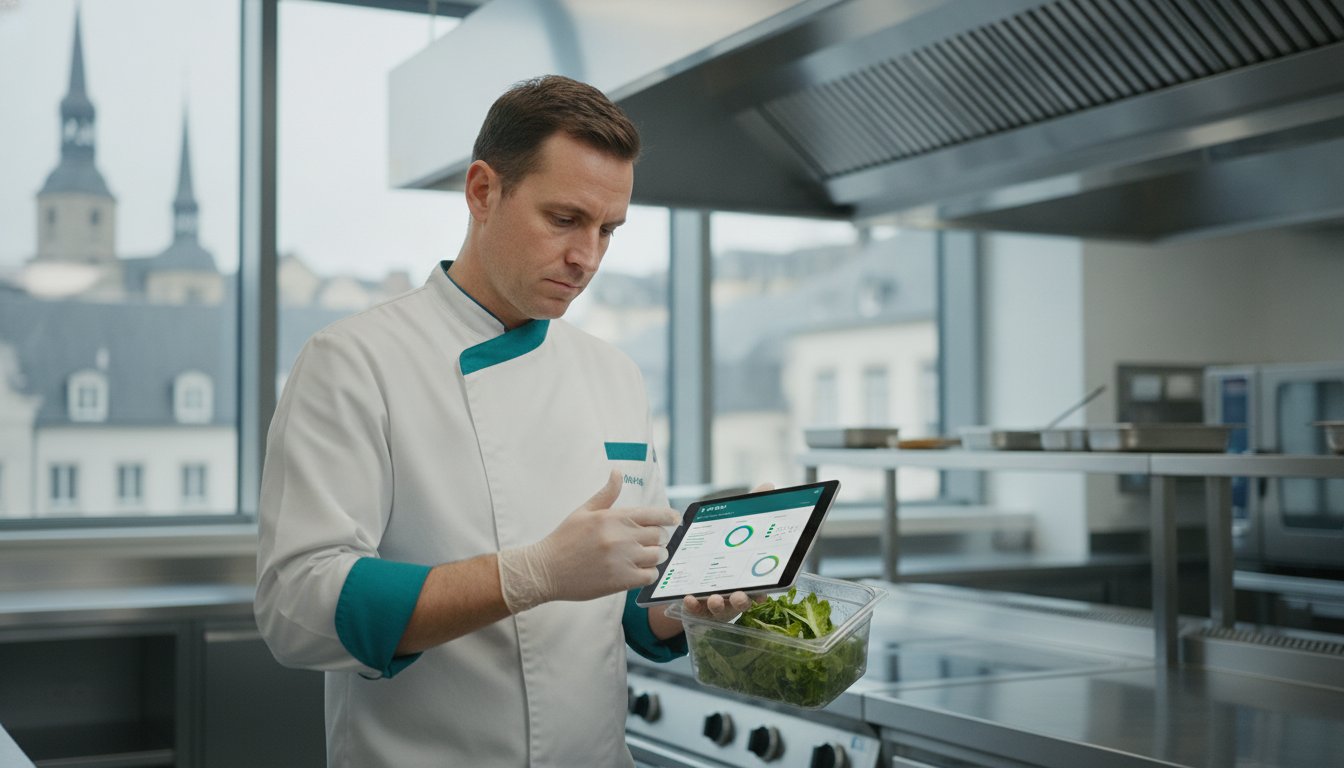
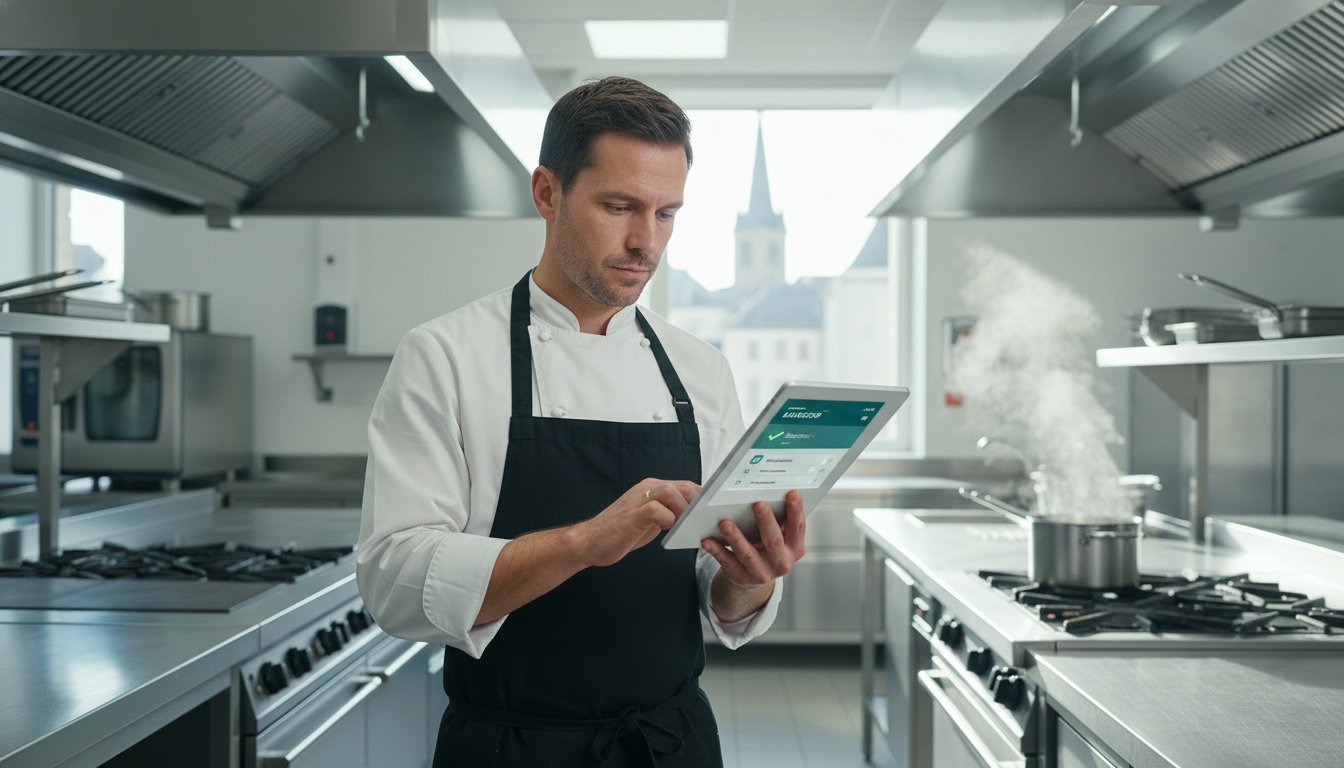
Imagine an inspector walks into your kitchen during the peak of service, and you realize the temperature logs for the walk-in fridge haven't been updated since Tuesday. It's a high-stress scenario that many food service professionals in Luxembourg face, yet it's often the catalyst needed to replace paper HACCP logs with something more reliable. You likely feel the weight of managing messy clipboards while trying to maintain food safety standards during a busy shift, knowing that a single lost sheet could compromise your compliance standing.
The transition to a digital compliance system is the most effective way to eliminate this anxiety and reclaim lost labor hours. This guide will show you how to move your manual records into a streamlined digital framework that ensures your data is always accurate, time-stamped, and ready for scrutiny. We'll explore the practical steps to modernize your kitchen, allowing you to monitor your operations in real-time and prevent food waste before it happens. You'll learn how to implement automated checklists and instant reporting to keep your business running smoothly and securely.
Key Takeaways
- Identify the operational risks of manual data entry and learn how automated capture provides a verifiable record of your food safety standards.
- Follow a strategic five-step framework to replace paper HACCP logs by auditing existing workflows and digitizing your kitchen floor plan.
- Discover how to integrate automated temperature monitoring and customizable checklists to eliminate human error during busy shifts.
- Support your kitchen staff through the digital transition by using transparent performance data to reward consistency and precision.
- Achieve total audit readiness with a centralized dashboard that provides instant compliance reporting and multi-site oversight.
The Hidden Risks of Manual Record Keeping in Modern Kitchens
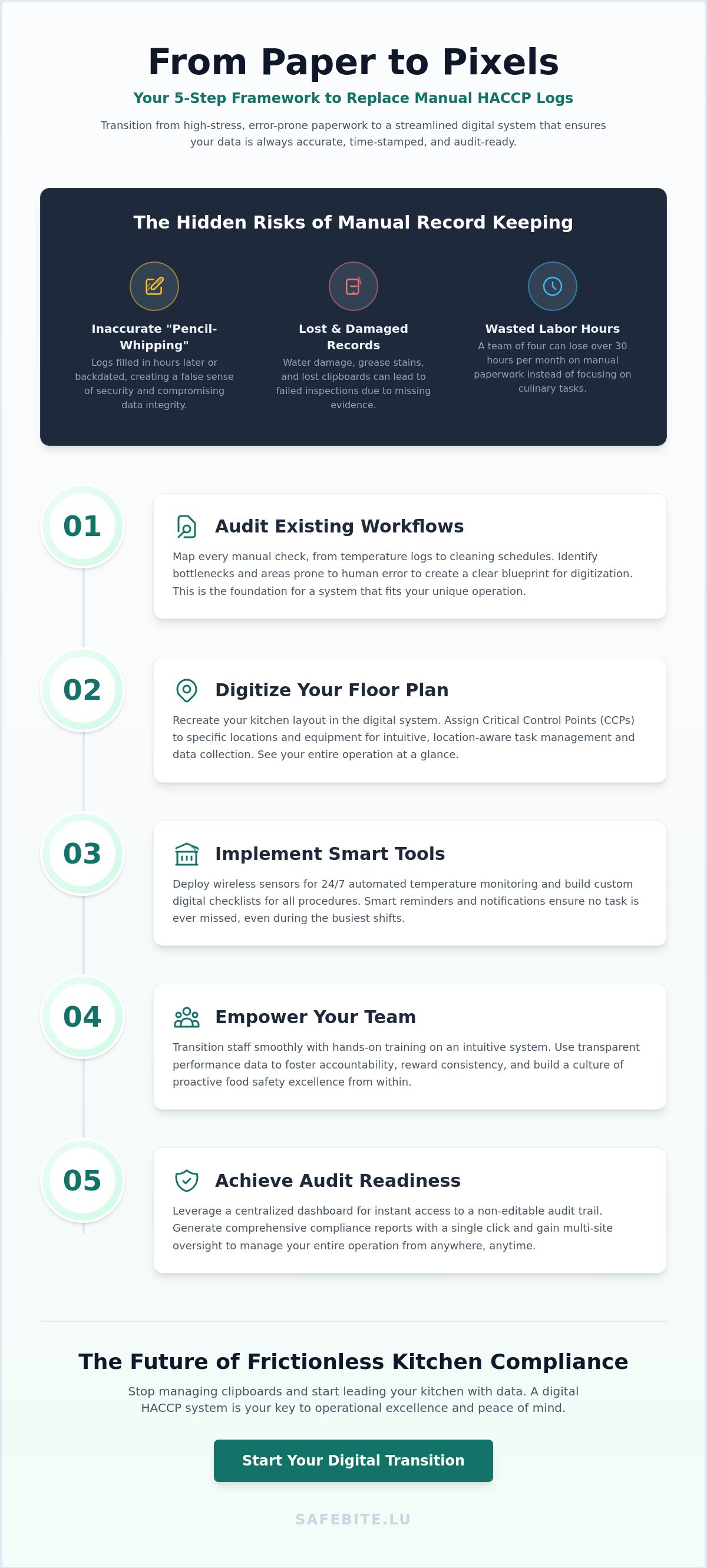
Manual record keeping is a relic of an era before real-time connectivity and automated oversight. While the core principles of Hazard Analysis and Critical Control Points (HACCP) remain the gold standard for food safety, the medium used to track them has become a liability. Choosing to replace paper HACCP logs is not just about moving away from physical clipboards; it's a fundamental shift from manual entry to automated data capture. This transition ensures that your kitchen's safety data is a true reflection of your operations rather than a best-guess approximation recorded after a long shift.
Paper logs are inherently vulnerable to the "pencil-whipping" trap. In a high-pressure kitchen environment, staff often prioritize immediate service over administrative tasks. This leads to logs being filled in hours after the fact, or even backdated to cover missed checks. Such records are inaccurate and provide a false sense of security. Beyond the risk of inaccuracy, physical logs face constant environmental threats. Water damage, grease stains, and lost clipboards are common occurrences that can lead to a failed inspection simply because the evidence of your hard work has vanished or become illegible.
The financial impact of manual logs is often underestimated. If a single chef spends just 15 minutes per day recording temperatures and completing checklists, a team of four loses one full hour of productivity every day. Over a standard month, this equates to 30 hours of specialized labor diverted from culinary tasks to basic paperwork. By modernizing your system, you reclaim this time and reinvest it into the quality of your service.
Why Paper Logs Fail During Peak Service
The conflict between food preparation speed and administrative compliance is most visible during peak service. When the kitchen hits maximum capacity, the psychological burden of manual paperwork can lead to resentment among creative culinary staff. Missing checks occur because stopping to find a pen and a clipboard disrupts the flow of the line. A digital system removes this friction, allowing for quick taps on a screen that don't interrupt the momentum of a busy service.
The Regulatory Shift Toward Digital Evidence
Inspectors in Luxembourg are increasingly prioritizing the integrity of data over the mere existence of records. Digital timestamps provide a level of transparency that handwritten entries cannot match, offering a non-editable audit trail that serves as vital legal protection. Moving toward the digital food safety checklists standard demonstrates a proactive commitment to safety that builds trust with regulators. These systems ensure that every entry is verified and impossible to alter, positioning your business as a leader in modern compliance.
Core Features of a Digital HACCP Management System
Digital systems transform food safety from a reactive chore into a proactive operational asset. When you replace paper HACCP logs, you aren't just changing where data is stored; you're upgrading the intelligence of your kitchen. The primary engine of this change is automated temperature logging. Instead of relying on a chef to remember to check a walk-in freezer every four hours, wireless sensors provide continuous monitoring. This eliminates the gaps inherent in manual checks and ensures that your data is captured with absolute precision, day and night.
Beyond temperature monitoring, a digital system offers customizable checklists that cover every facet of kitchen hygiene. Whether it's a deep-clean schedule or a standard opening procedure, these digital tools ensure that no step is overlooked. For operators managing several locations, a multi-site management dashboard provides a bird's-eye view of compliance across the entire group. This centralized oversight allows you to identify trends or lapses in real-time without needing to be physically present at every site.
Smart Reminders and Proactive Notifications
The most significant advantage of digital over paper is the shift from reactive to proactive management. Smart reminders use push notifications to alert staff when a check is due, effectively removing the need for managers to constantly monitor the schedule. If a task remains uncompleted past its window, escalation protocols trigger alerts to senior management. This ensures that a minor oversight doesn't become a major compliance failure. You can configure custom schedules for different kitchen stations, ensuring that high-risk areas receive the frequent attention they require.
Automated Corrective Actions
A digital system doesn't just record a problem; it guides the solution. Using "If-This-Then-That" logic, the software can trigger specific corrective actions the moment a temperature falls out of specification. If a fridge exceeds 5°C, the system can immediately prompt the staff member to move the stock and call a technician. This documentation of the resolution is crucial for proving compliance to auditors. It shows that your team knows exactly how to respond to risks, making your digital HACCP checklists a shield against regulatory scrutiny. This structured approach ensures that every deviation is met with a swift, recorded, and effective response.
5 Steps to Successfully Replace Paper HACCP Logs
Transitioning to a digital framework is a strategic migration that requires precision. It's the process of translating your physical safety culture into a resilient, electronic format. This structured approach ensures that the shift is seamless and that your kitchen staff feels supported rather than overwhelmed. By following a methodical plan, you can eliminate the inconsistencies of manual record keeping while maintaining total compliance.
Step 1: Auditing Your Existing Paper Trail
The first step is to collect every clipboard and folder currently in use. You must distinguish between forms required by Luxembourgish food safety regulations and "fluff" tasks that have survived simply through habit. This is your opportunity to eliminate redundant checks that slow down your team. Standardize your naming conventions during this phase; ensure that "Fridge 1" on your floor plan matches the label in your digital system to prevent any mapping errors.
Step 2: Configuring Your Digital Environment
Configuration is where your safety logic takes shape. You'll need to digitize your floor plan and equipment list to create an accurate map of your facility. Within the software, define your critical control points (CCPs) and set exact critical limits, such as maintaining refrigeration below 5°C. Building user profiles with tiered permission levels is also essential. This ensures that while a commis chef can log a temperature, only a sous chef or manager can sign off on a corrective action or a weekly deep-clean audit.
Step 3: Hardware Integration and Testing
Hardware deployment must account for the harsh realities of a professional kitchen. Choose durable tablet mounting points that are accessible but protected from heat, steam, and moisture. Sync your Bluetooth thermometers to enable "one-tap" logging, which removes the need for manual transcription. It's also vital to test the system's offline mode. Kitchen Wi-Fi can be notoriously spotty; your digital system must be able to capture data locally and sync it to the cloud once the connection is restored.
Before you officially replace paper HACCP logs, run a parallel system for 48 hours. Use both the digital platform and your old paper logs simultaneously for two full days. This short testing window allows you to verify that automated sensors are calibrated correctly and that your staff is comfortable with the new interface. Once you've confirmed that the data is consistent across both systems, you can confidently retire the clipboards and move to a fully digital operation.
Winning Over the Kitchen: Managing the Human Element
The decision to replace paper HACCP logs often meets resistance from long-term staff who view digital tools as intrusive. It's vital to frame this shift as a support mechanism rather than a surveillance tool. Instead of "watching" employees, the system acts as a safety net that prevents them from making critical errors during a rush. Explain that the digital record is their best defense. It proves they've done their jobs correctly, which provides peace of mind during a surprise inspection in Luxembourg's highly regulated environment.
To ensure adoption, the user interface must be frictionless. We advocate for a "two-tap" rule: any log entry should take no more than two interactions with the screen. This speed is essential when the kitchen is at full capacity. By simplifying the process, you turn compliance from a chore into a seamless part of the prep routine. Identifying "Compliance Champions", staff members who are naturally tech-savvy, can also bridge the gap. These individuals provide peer-to-peer support, making the transition feel like a team initiative rather than a management mandate. You can even use the system's reporting features to create friendly competition between stations, rewarding those with the highest accuracy rates.
Training Staff for Long-Term Adoption
Effective training doesn't require hours in a classroom. In fact, 15-minute micro-training sessions held at individual stations are far more effective. Use the hardware they will actually use and focus on the "What's In It For Me" factor. When you replace paper HACCP logs, you are giving your chefs back their most valuable asset: time. For most chefs, the primary benefit is the elimination of end-of-shift paperwork. When they realize they can finish their closing tasks 10 minutes faster because the logs were captured in real-time, resistance usually evaporates.
Creating a Culture of Proactive Food Safety
Transparency changes the kitchen's relationship with data. Use your dashboard to celebrate "zero-miss" weeks, perhaps rewarding the team with a small incentive. This gamification shifts the mindset from "doing chores" to "protecting the brand." When everyone can see the compliance stats, it fosters a sense of collective responsibility. This proactive culture ensures that when an auditor arrives, the team isn't scrambling to find lost sheets. They're confident because their excellence is already documented. To start building this culture in your kitchen, implement digital HACCP checklists today and see the immediate impact on staff morale and operational precision.
SafeBite: The Future of Frictionless Kitchen Compliance
SafeBite stands as the definitive partner for Luxembourgish hospitality businesses seeking to modernize their operations. While previous sections outlined the strategic steps to transition, SafeBite provides the specialized infrastructure to make that change permanent and profitable. Our platform is built on the understanding that compliance should be a background process, not a primary focus for your culinary team. By choosing to replace paper HACCP logs with our integrated system, you align your business with the highest national food safety standards while dramatically reducing administrative overhead.
One of the most significant advantages for operators is the transformation of audit preparation. Traditionally, preparing for a hygiene inspection involves hours of manual filing and cross-referencing. SafeBite turns this four-hour ordeal into a one-click export. You gain instant access to comprehensive, time-stamped reports that satisfy even the most meticulous auditors. This level of readiness provides a sense of control that manual systems simply cannot offer. Our local support team understands the specific nuances of the Luxembourg market, ensuring your system is configured to meet local regulatory expectations from day one.
Beyond Just Logs: The SafeBite Ecosystem
SafeBite offers more than just a digital version of a clipboard; it provides a comprehensive safety ecosystem. Our platform allows for the seamless integration of your allergen management tool with daily safety checks. This ensures that ingredient transparency is maintained with the same rigor as your temperature logs. For owners managing several locations across the country, our multi-site management dashboard provides a centralized view of every kitchen's performance. You can monitor compliance trends and receive automated alerts that prevent thousands of euros in potential food waste due to equipment failure. This proactive oversight allows you to address risks before they escalate into costly incidents.
Getting Started with Your Digital Transition
Moving away from manual records is a swift and structured process with the right guidance. We help you assess your kitchen's digital readiness and identify the specific hardware needs for your unique layout. Our onboarding process is designed for speed and minimal disruption. Most kitchens successfully replace paper HACCP logs and move to a fully functional tablet-based system in under a week. This rapid deployment means you can start reclaiming labor hours and improving data integrity almost immediately. Our team handles the technical heavy lifting, from configuring your critical control points to training your "Compliance Champions."
The shift to digital is no longer a luxury for forward-thinking kitchens; it is a necessity for maintaining a competitive and compliant business in 2026. If you're ready to ditch the messy clipboards and experience the precision of an automated system, we're here to guide the way. Book your free SafeBite demo today and take the first step toward a kitchen that runs on autopilot.
Secure Your Kitchen's Future with Digital Precision
Transitioning away from manual records is more than a technical upgrade; it's a commitment to operational excellence. By choosing to replace paper HACCP logs, you eliminate the risks of illegible data and lost documentation that often lead to inspection failures. A structured migration, combined with the right hardware and staff engagement, transforms a high-pressure kitchen into a model of precision.
SafeBite is the trusted partner for leading Luxembourg hospitality groups. Our system provides the real-time automated alerts and one-click reporting needed to ensure your business is always audit-ready. Don't let manual paperwork hold your culinary team back from their creative potential. Transition to Paperless Compliance with SafeBite today and gain the peace of mind that comes with a truly modern safety system. Your kitchen is ready for the next level of efficiency.
Frequently Asked Questions
Is digital HACCP record-keeping legally accepted during inspections?
Yes, digital records are fully accepted by Luxembourgish food safety authorities and meet EU regulatory requirements for data integrity. These systems provide non-editable audit trails and precise timestamps that offer a higher level of transparency than handwritten entries. Inspectors often prefer digital reports because they are legible, organized, and easily searchable during a routine audit.
What happens to my HACCP logs if the kitchen internet goes down?
The system is designed with an "offline-first" architecture to ensure that your safety data is never lost. If your kitchen Wi-Fi drops, the application stores all entries locally on the device's secure memory. As soon as the connection is restored, the data automatically synchronizes with the cloud dashboard. This ensures that your monitoring remains continuous and your compliance records stay complete.
How long does it take to train a kitchen team on digital checklists?
Most kitchen teams achieve full proficiency with the digital interface in less than 20 minutes. The software uses intuitive, tap-based logic that mirrors the mobile applications your staff already uses daily. We recommend using brief micro-training sessions at individual stations to help your team replace paper HACCP logs with minimal disruption to their service prep.
Can I customize the checklists to fit my specific menu and equipment?
Yes, the digital checklists are fully customizable to reflect the specific operational realities of your kitchen. You can define unique critical limits for specialized refrigeration units or create custom cleaning tasks for specific prep equipment. This flexibility ensures that the system supports your existing workflow rather than forcing your team to adapt to a generic template.
Do I need to buy expensive hardware to replace my paper logs?
Transitioning to a digital system doesn't require a massive investment in specialized technology. The software runs on standard, consumer-grade tablets that are both affordable and durable. While Bluetooth probes and automated sensors provide the highest level of precision, you can start with basic tablet-based logging and scale your hardware deployment as your operations grow.
How does digital HACCP help in reducing food waste?
Digital systems significantly reduce food waste by providing proactive, real-time alerts when a cooling unit deviates from its safe range. Instead of discovering a fridge failure hours too late, you receive an instant notification that allows for immediate corrective action. This vigilance protects your inventory and prevents the disposal of thousands of euros in compromised stock.
Can I manage multiple restaurant locations from one digital dashboard?
Owners and operations managers can oversee an unlimited number of sites from a single centralized dashboard. This provides a bird's-eye view of compliance scores and task completion rates across your entire group without needing to be physically present. You can also push global updates to checklists across all locations simultaneously, ensuring that your brand standards remain consistent.
Is my food safety data secure in the cloud?
Your compliance data is protected by enterprise-grade encryption and secure cloud storage protocols. Unlike physical logs that are vulnerable to fire, flooding, or accidental loss, digital records are backed up automatically and accessible only to authorized personnel. This secure archive ensures that your historical data is preserved for years, providing a robust legal defense and total peace of mind.