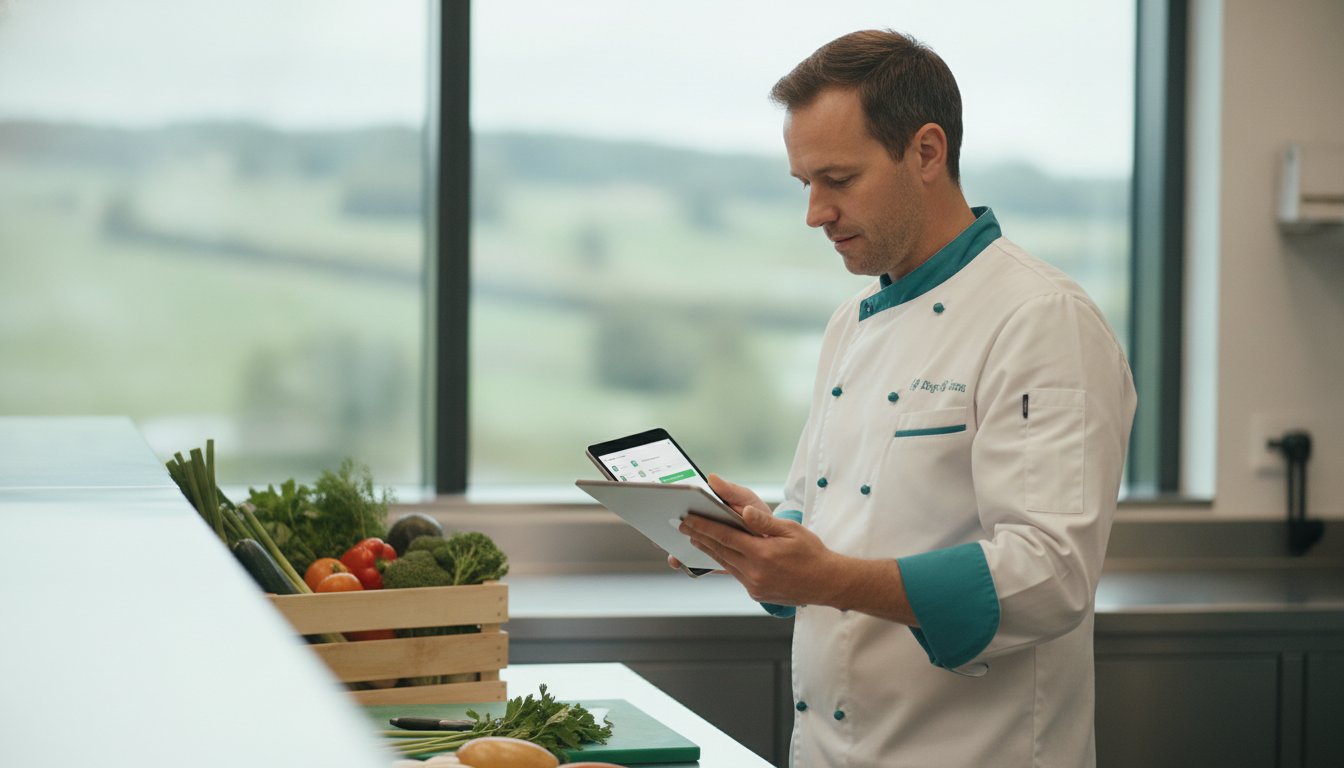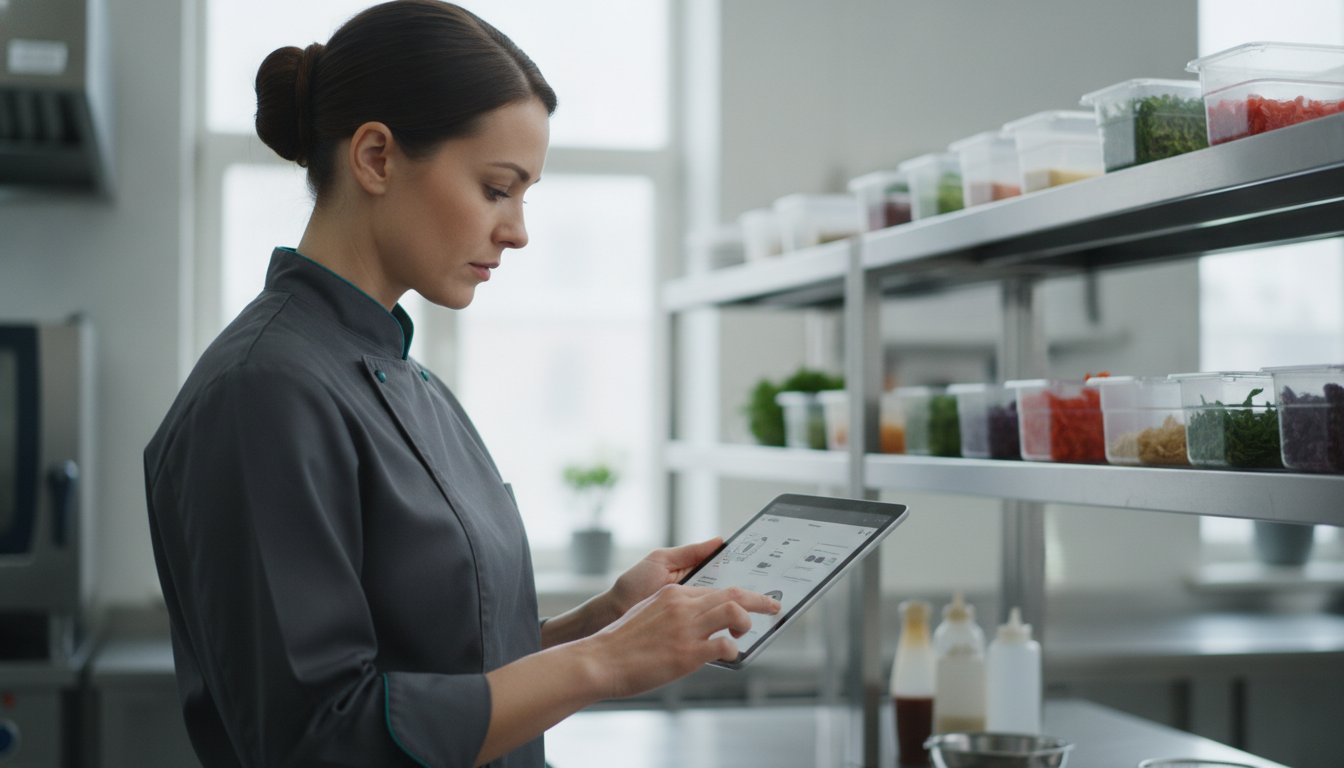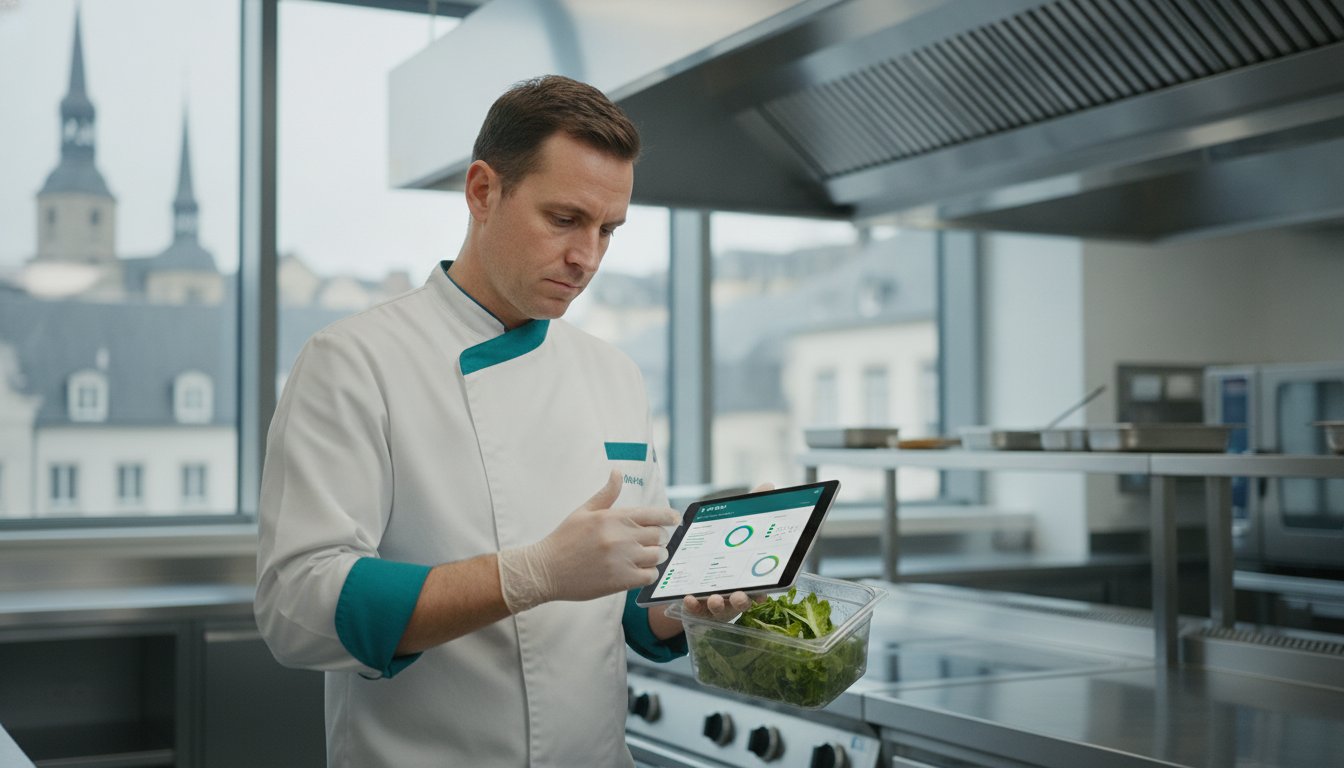
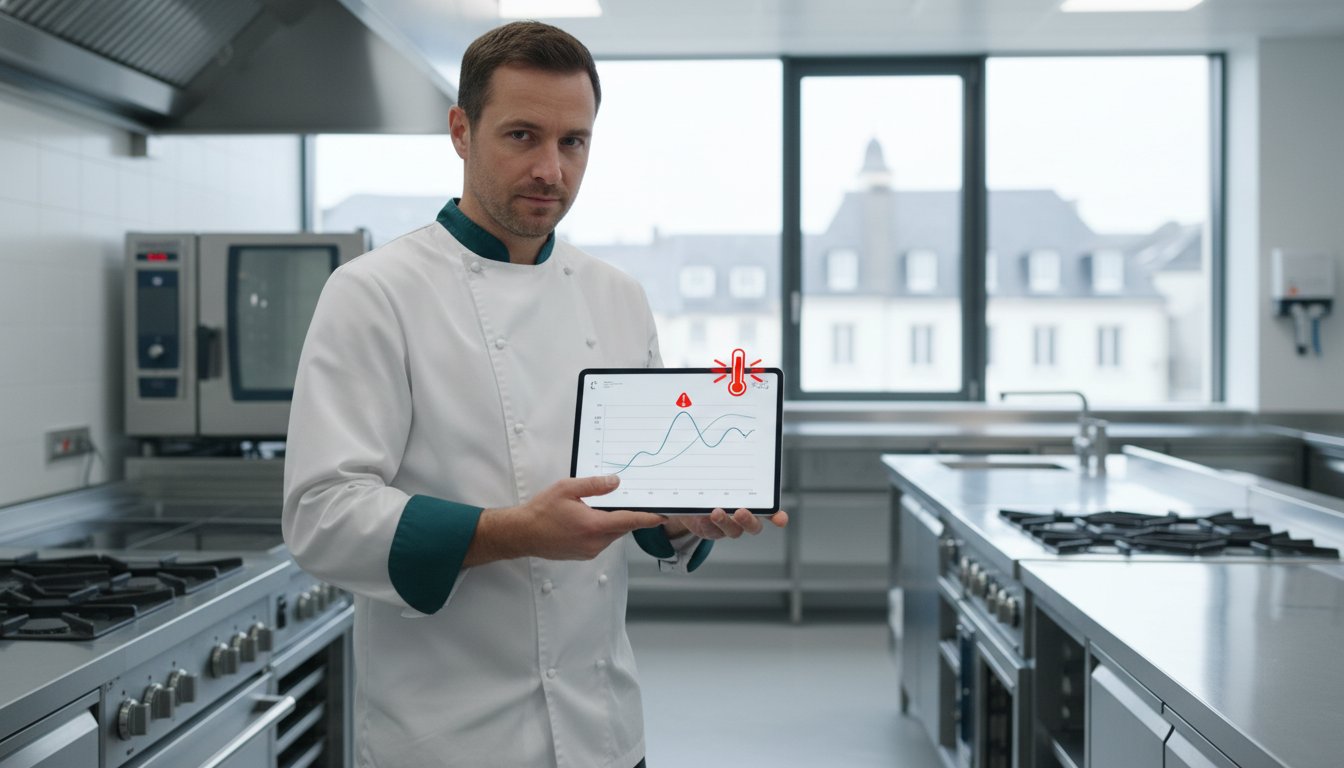
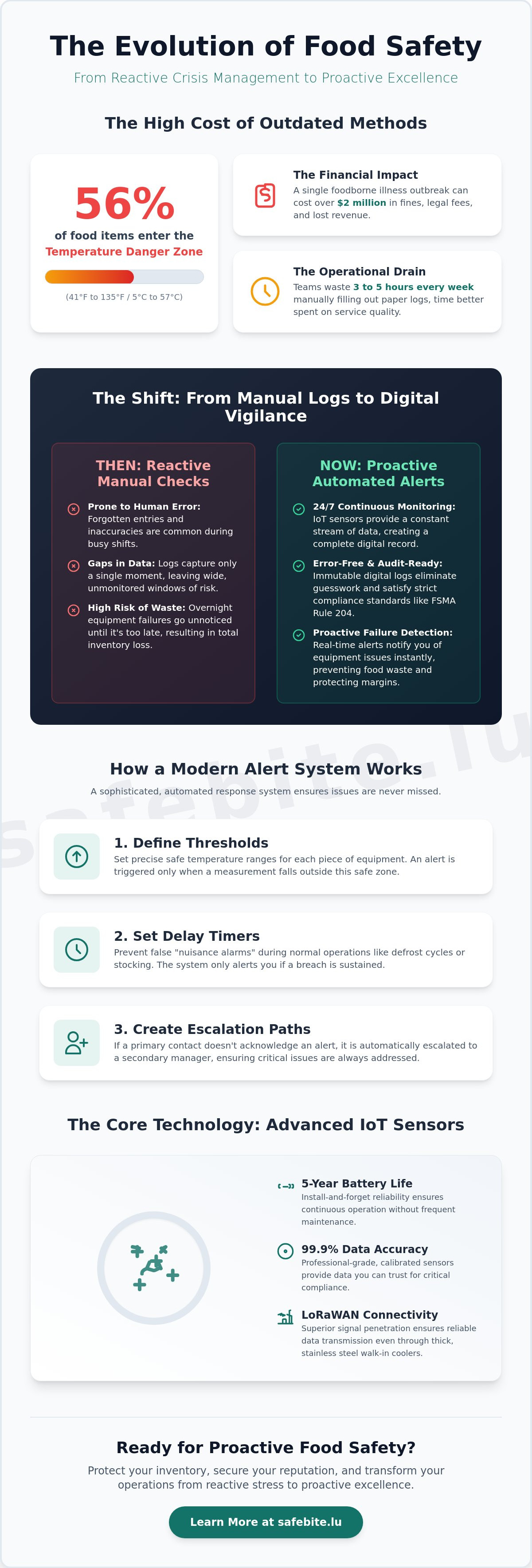
During peak service hours, research has shown that over 56% of food items in some institutional kitchens sit within the unsafe danger zone of 41°F to 135°F. It's a staggering figure that highlights the constant risk of foodborne illness outbreaks, which can cost a single restaurant over $2 million in fines and lost revenue. You understand the anxiety of relying on manual checks that are prone to human error, especially when equipment failure during non-operating hours can lead to a total loss of inventory. Implementing real-time temperature alerts changes this dynamic by providing a continuous, digital watch over your most critical assets.
We agree that your team's time is better spent on quality service rather than filling out paper logs that take three to five hours every week. This article promises to show you how modern temperature monitoring systems transform your operations from reactive stress to proactive excellence. We'll preview the 2026 landscape of food safety, including how to achieve zero waste through AI-driven insights and how to maintain audit-ready digital records that satisfy the strict requirements of FSMA Rule 204. You'll discover how to secure your inventory and your reputation with a system that's always one step ahead.
Key Takeaways
- Transition from reactive crisis management to a proactive oversight model that eliminates the risk of human error in food safety documentation.
- Learn how real-time temperature alerts utilize IoT sensors to provide continuous visibility across all cooling units and storage areas.
- Identify technical thresholds and escalation paths that prevent food waste and protect your bottom line by detecting equipment failures early.
- Understand the role of predictive analytics in forecasting potential temperature breaches before they compromise your inventory.
- Discover how integrating automated sensors with digital checklists simplifies compliance and creates a friction-free experience for kitchen staff.
The Evolution of Kitchen Oversight: Why Real-Time Temperature Alerts Matter
The landscape of professional kitchen management has undergone a significant transformation. For decades, food safety relied on manual snapshots of equipment performance. A staff member would walk to a refrigerator, read a dial, and record the number on a clipboard. This reactive approach is inherently limited. It leaves wide windows of time where inventory can drift into the temperature danger zone without anyone noticing. This evolution marks the end of the "check-and-see" era and the beginning of a data-driven standard for global hospitality.
By 2026, technology has moved past these intermittent checks. The industry now prioritizes continuous oversight through real-time temperature alerts. This shift isn't just about convenience; it's about moving from a culture of crisis management to one of proactive food safety excellence. Modern systems eliminate the "human error" factor by providing a constant stream of data that doesn't rely on a busy chef remembering to check a thermometer during a dinner rush. Real-time data creates a transparent relationship between operational reality and safety standards. It allows managers to see trends, predict failures, and ensure every ingredient remains within safe parameters. When you remove the guesswork, you gain a level of control that was previously impossible in a high-volume kitchen environment.
From Paper Logs to Digital Vigilance
Paper logs are outdated and often inaccurate. They capture only a single moment, leaving your business vulnerable between checks. If a unit fails after a manual log, hours of unsafe temperatures can pass undetected. Digital systems act as a 24/7 safety net. Regulators in Luxembourg now expect this level of precision. They value automated data over the risk of forgotten entries or manual errors. This vigilance ensures your compliance is always verifiable.
The High Cost of Being Offline
Silent equipment failures drive most preventable food waste. A freezer losing power overnight can result in thousands of dollars in spoiled product. The financial hit is immediate, but the reputational damage is worse. One foodborne illness incident can cost over $2 million in legal fees and lost business. Using real-time temperature alerts provides the early warning needed to intervene. Manual logs can't offer the audit readiness required by modern standards like FSMA Rule 204.
How a Modern Food Safety Alerts System Works in 2026
In 2026, the backbone of a resilient kitchen is a network of IoT sensors connected to a central HACCP platform. Unlike older Bluetooth or Wi-Fi systems that often struggle with the thick stainless steel walls of industrial walk-ins, modern setups utilize LoRaWAN. This long-range protocol offers superior signal penetration and reliability. It ensures that real-time temperature alerts reach the cloud without interruption, even in the most challenging architectural environments. Once data reaches the cloud, it's stored in an immutable digital ledger. This process ensures your logs are always audit-ready and protected from accidental deletion or tampering.
An effective alert is more than just a simple notification; it's a sophisticated response system. It consists of three critical components: thresholds, delay timers, and escalation paths. Thresholds define the exact temperature point where a product becomes unsafe. Delay timers are used to prevent "nuisance alarms" during natural defrost cycles or while staff are stocking shelves. If a threshold is breached for a sustained period, the system triggers an escalation path. This ensures that if a primary contact doesn't acknowledge the notification, a secondary manager is informed immediately. This structured approach moves your operation away from manual guesswork and toward a disciplined, automated standard of safety.
The Power of IoT Sensors in the Kitchen
Proper sensor placement is vital for data integrity. Sensors shouldn't simply be placed on the top shelf near a door. They need to be positioned where they accurately reflect the core environment of the unit, usually away from direct airflow from fans. Professional-grade sensors in 2026 feature battery lives of up to five years and are built to withstand high humidity. Regular calibration ensures 99.9% data accuracy, which is essential when monitoring the safe minimum internal temperature of sensitive inventory.
Notification Channels: Getting the Right Message to the Right Person
The right message must reach the right person at the right time. SMS and push notifications are the gold standard for immediate action, while email is better suited for long-term reporting. You can customize these thresholds based on the specific sensitivity of the food product. For example, fresh seafood requires much tighter tolerances than dry storage items. Implementing a dedicated Temperature Monitoring System allows you to automate these complex workflows, giving you the peace of mind that your inventory is protected even when you aren't on-site.
Beyond Compliance: Preventing Food Waste and Protecting Margins
Focusing solely on regulatory compliance misses the broader financial impact of modern technology. While safety is the priority, the implementation of real-time temperature alerts serves as a direct safeguard for your profit margins. Research indicates that AI-powered temperature monitoring can reduce temperature-related food waste by 20-30%. This isn't just a theoretical improvement; it's a concrete reduction in the volume of inventory sent to the bin due to preventable excursions. Every degree of variance caught early is a direct save for your bottom line.
Beyond inventory loss, these systems provide critical insights into the health of your hardware. A refrigerator that begins to struggle may stay within safe limits during the day but spike at night as the compressor nears failure. Early detection of these patterns allows for scheduled maintenance rather than emergency repairs or total equipment replacement. Additionally, monitoring identifies units that are over-cooling. This unnecessary cooling wastes energy and increases utility costs without providing any additional safety benefit. By optimizing these settings, you protect both your equipment and your budget.
The ROI of Automated Monitoring
The financial argument for automation becomes clear when comparing the cost of a monthly service to the loss of a single high-value pallet. A spoiled shipment of premium protein or specialized dairy can easily exceed the annual cost of a monitoring system. Insurance providers also recognize proactive risk management, which can lead to more favorable terms for businesses that document their vigilance. In the context of food safety, ROI represents the measurable financial recovery achieved by preventing inventory loss and reclaiming labor hours through automated oversight.
Operational Peace of Mind for Management
Scaling a business requires trust, but it also requires visibility. A Multi-site Management Dashboard allows owners to oversee several locations without being physically present at each one. This centralization reduces the need for micromanagement and alleviates staff stress by removing the tedious task of manual logging. Automated systems save three to five hours of weekly manual logging per store. This allows your team to focus on the guest experience while ensuring 2026 compliance standards are met. It's a transition from constant worry to a state of readiness.
Trends in Wireless Temperature Monitoring for the Food Industry
The technological landscape of 2026 focuses on intelligence rather than just data collection. While earlier versions of monitoring technology acted as simple thermometers, today's systems utilize predictive analytics to offer a superior level of protection. Instead of waiting for a breach to occur, real-time temperature alerts now identify subtle anomalies in cooling cycles hours before a threshold is crossed. This proactive approach differentiates a modern kitchen from one still using legacy systems. By analyzing the frequency and duration of cooling cycles, these platforms can forecast a mechanical failure before it results in a total loss of inventory.
When a notification triggers, the system doesn't stop at a simple alarm. It launches automated corrective actions that provide digital prompts to guide staff through a crisis. This addresses a critical gap in traditional safety management: the "what happens next" factor. These prompts ensure the response matches your established HACCP protocols, leaving no room for guesswork during a high-stress incident. Integrating these alerts with digital food safety checklists ensures every incident is documented, resolved, and verified in one seamless digital thread.
The Rise of AI in Temperature Prediction
Machine learning algorithms now analyze the rhythmic "heartbeat" of your refrigeration units. They can distinguish between a temporary temperature spike caused by a door left open during peak service and the steady, dangerous climb indicative of a failing motor. This intelligent data filtering significantly decreases the number of false alarms that often lead to "alert fatigue" among kitchen staff. By focusing only on genuine threats, your team remains vigilant and responsive to the data that truly matters.
Seamless Integration with HACCP Workflows
Compliance is no longer a peripheral task; it's woven into your daily operational workflow. When real-time temperature alerts occur, they can automatically generate incident reports that require digital signatures for final resolution. This level of granular detail is essential for meeting the latest Luxembourg food safety regulations. Auditors in 2026 prioritize proof of corrective action over simple temperature logs. By linking these systems, you create a closed-loop safety environment that is both efficient and audit-ready.
Protect your margins and your reputation by implementing a comprehensive Temperature Monitoring System that anticipates risks before they become crises.
Implementing Real-Time Alerts with SafeBite
SafeBite simplifies the transition to automated monitoring by removing the technical barriers that often stall digital adoption. Luxembourg hospitality leaders are increasingly choosing digital-first compliance to meet the rigorous demands of modern food safety without increasing their administrative burden. This shift isn't just about following rules; it's about building a resilient operation that protects your brand. The SafeBite Temperature Monitoring System serves as a reliable partner, providing the oversight you need while your team focuses on culinary execution. By centralizing data into a single dashboard, you eliminate the fragmentation that leads to missed checks and inventory loss.
The "set and forget" hardware setup is specifically engineered for professional environments where time is the most valuable resource. You don't need to hire an electrician or deal with complex wiring to begin receiving real-time temperature alerts. The native mobile app provides instant oversight on the go, allowing you to monitor multiple units from your smartphone. Whether you're at the market or at home, you have total visibility into your kitchen's stability. This constant connection ensures that a minor equipment hiccup doesn't escalate into a total loss of product.
Getting Started: From Box to Dashboard in Minutes
The SafeBite sensor installation process is designed for speed. Sensors are placed directly into your cooling or heating units and sync wirelessly with the central platform. Once active, you can configure custom alert thresholds in the app to match the sensitivity of your specific inventory. Training your team is equally streamlined. They simply need to respond to digital notifications that guide them through corrective actions. This turns a potential crisis into a managed event, ensuring that every staff member knows exactly how to protect the inventory.
Ready for Your Next Audit
Health inspections shouldn't be a source of stress. SafeBite allows you to generate one-click reports for your entire cold storage history, providing auditors with accurate, timestamped data. This level of transparency proves your commitment to excellence and ensures compliance with the latest kitchen operations management software standards. By maintaining automated, audit-ready logs, you replace manual paperwork with a system that's always one step ahead. Book a demo today to see how real-time temperature alerts can transform your kitchen's food safety and operational efficiency.
Securing Your Operations for a Data-Driven Future
The transition from manual logging to automated vigilance represents a fundamental shift in professional kitchen management. You've seen how 2026 technology moves beyond simple alarms to offer predictive insights that protect your inventory before a crisis occurs. By adopting real-time temperature alerts, you ensure your business remains inspection-ready 24/7. This proactive approach doesn't just satisfy regulatory requirements; it actively preserves your profit margins by reducing food waste by up to 30%. It's a strategic move toward a more efficient and controlled operational environment that values precision above all else.
Implementing these systems allows your team to focus on their craft while the technology handles the oversight. Our system is specifically designed for Luxembourg hospitality standards, ensuring your compliance is effortless and friction-free. You deserve the peace of mind that comes from knowing your equipment is stable even when you aren't on-site. Take the first step toward a more secure and sustainable future for your business. Protect your kitchen with SafeBite’s real-time alerts today. We're here to support your journey toward proactive food safety excellence.
Frequently Asked Questions
What is a real-time temperature alert system for restaurants?
A system for real-time temperature alerts is an integrated network of IoT sensors that provides constant oversight of your cooling and heating units. It replaces manual checks by transmitting live data to a central platform, ensuring that any deviation from safe limits triggers an instant notification to your team. This allows for immediate intervention before inventory is compromised.
How do wireless temperature sensors handle thick walk-in freezer walls?
Professional-grade sensors in 2026 utilize LoRaWAN technology, which is specifically designed to penetrate thick stainless steel and insulated walk-in freezer walls. Unlike standard Wi-Fi or Bluetooth, this long-range protocol maintains a stable connection in industrial environments. It ensures that data from the deepest parts of your storage areas reaches your dashboard without interruption.
Can real-time temperature alerts help me pass a health inspection?
These systems directly support audit readiness by creating immutable, timestamped digital logs of your entire temperature history. Health inspectors prioritize verified data over manual paper records, which are often prone to gaps or errors. Having a complete digital record proves your commitment to proactive food safety and simplifies the verification process during an inspection.
What happens if the Wi-Fi goes down in my kitchen?
Reliability is built into the hardware through local data buffering. If your kitchen's primary internet connection fails, the sensors continue to record and store temperature data internally. Once connectivity is restored, the system automatically syncs the stored data to the cloud. This ensures your safety logs remain continuous and your audit trail stays intact.
How much food waste can I actually prevent with automated alerts?
Automated alerts target the most common sources of inventory loss, such as overnight equipment failures and doors left ajar. By receiving a notification the moment a unit begins to drift, you can move product to stable storage before it enters the danger zone. This level of oversight eliminates the high cost of preventable spoilage and protects your profit margins.
Are these systems compliant with Luxembourg HACCP standards?
Our Temperature Monitoring System is engineered to align with the specific requirements of Luxembourg HACCP standards. It provides the digital documentation and corrective action tracking that local regulators expect from modern hospitality businesses. This ensures your operation remains compliant with current regional safety frameworks without the need for manual paperwork.
Do I need to be a tech expert to install these sensors?
Installation is a straightforward process designed for busy kitchen environments. The sensors are wireless and "set and forget," meaning they can be mounted in minutes without professional electrical work. You simply sync the hardware with the mobile app and configure your thresholds. The system is designed to be user-friendly for staff at all technical levels.
Can I monitor multiple restaurant locations from one phone?
You can oversee your entire operation through a Multi-site Management Dashboard accessible on your smartphone. This feature allows you to toggle between different restaurant locations to check equipment status and alert history in real-time. It provides a centralized view of your food safety performance across your entire business portfolio from a single interface.