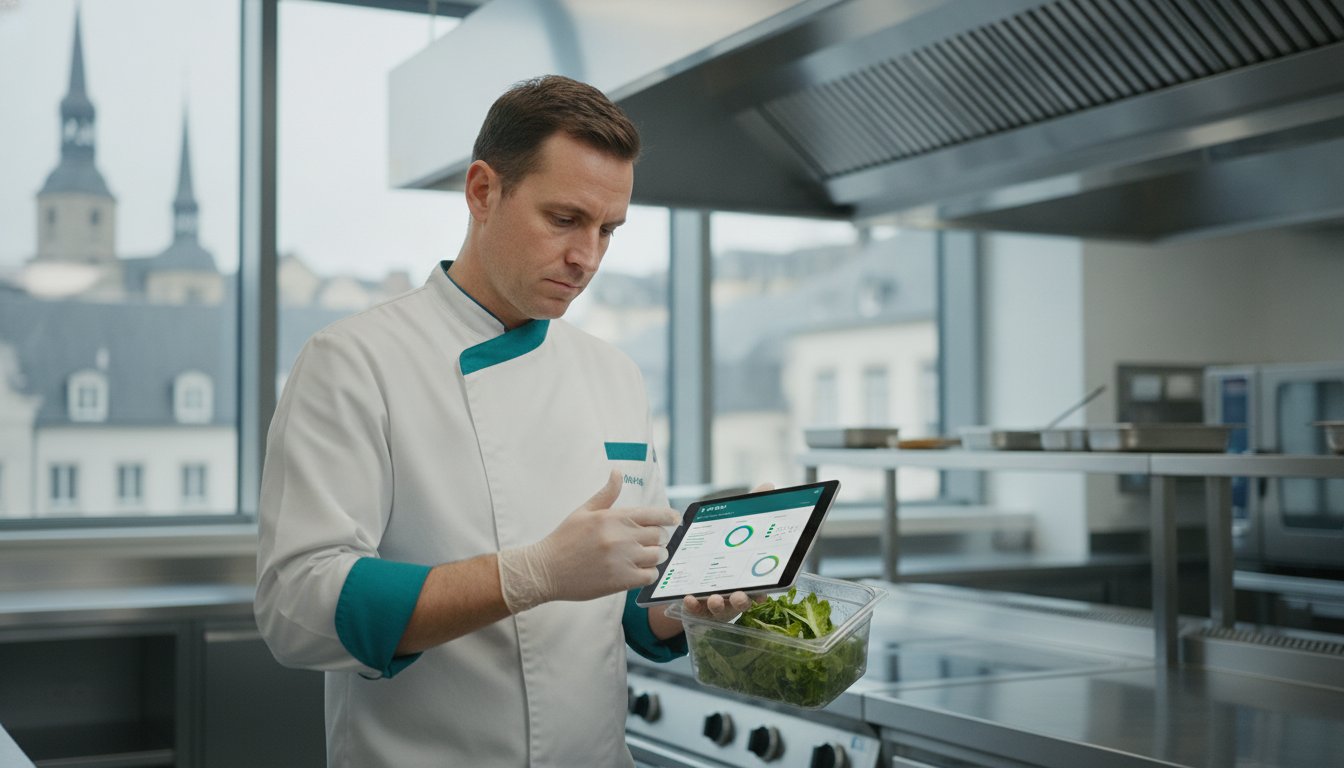
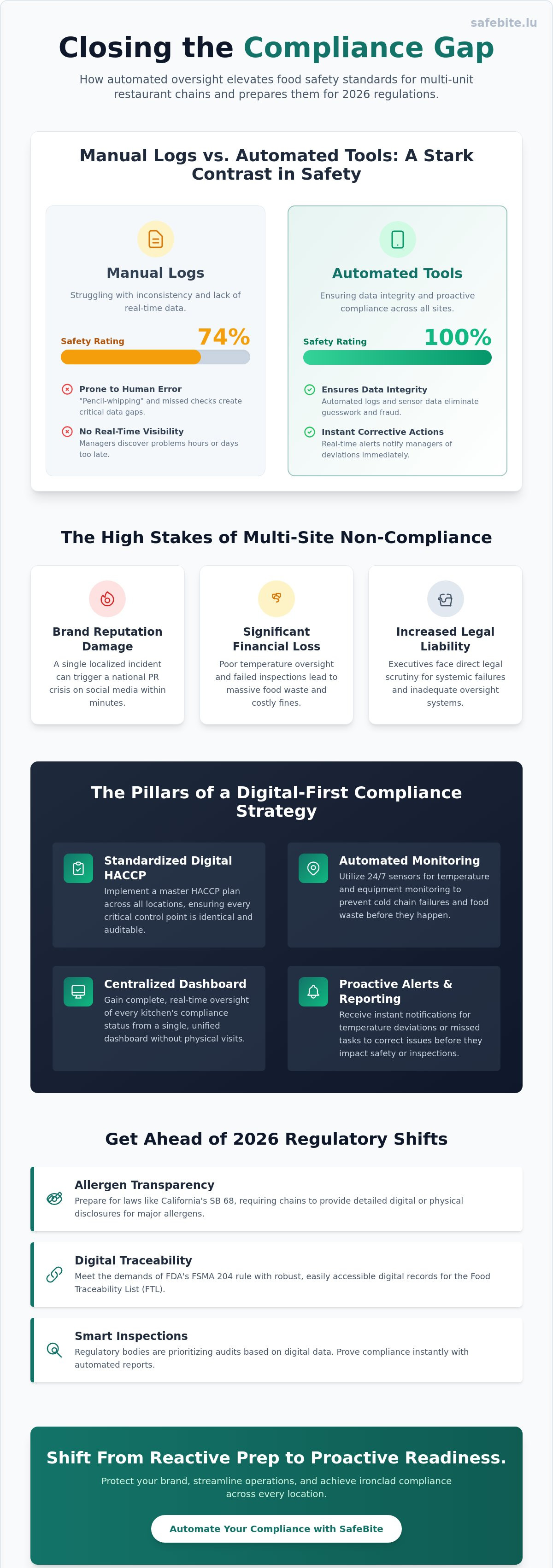
Did you know that restaurant chains using automated compliance tools maintain a safety rating as high as 100%, while those relying on manual logs often struggle to reach 74%? You likely understand the anxiety of managing a multi-unit brand where a single refrigerator failure or a missed temperature check in one city could jeopardize your entire reputation. It's difficult to feel in control when you can't be in every kitchen at once, especially with 2026 requirements like the California allergen disclosure law or the new Texas state licensing system creating fresh layers of complexity.
This guide shows you how to achieve ironclad restaurant chain compliance by centralizing your operations and eliminating the friction of manual oversight. You'll learn how to maintain uniform safety standards across every branch while reducing the risk of food-borne illness outbreaks. We'll explore how to leverage digital HACCP checklists, automated temperature monitoring, and multi-site dashboards to ensure every location remains inspection-ready without the need for constant physical visits. By the end, you'll have a clear roadmap for automated reporting and total brand protection.
Key Takeaways
- Learn how to transition from manual paper logs to digital HACCP protocols to eliminate human error and ensure data integrity across your entire portfolio.
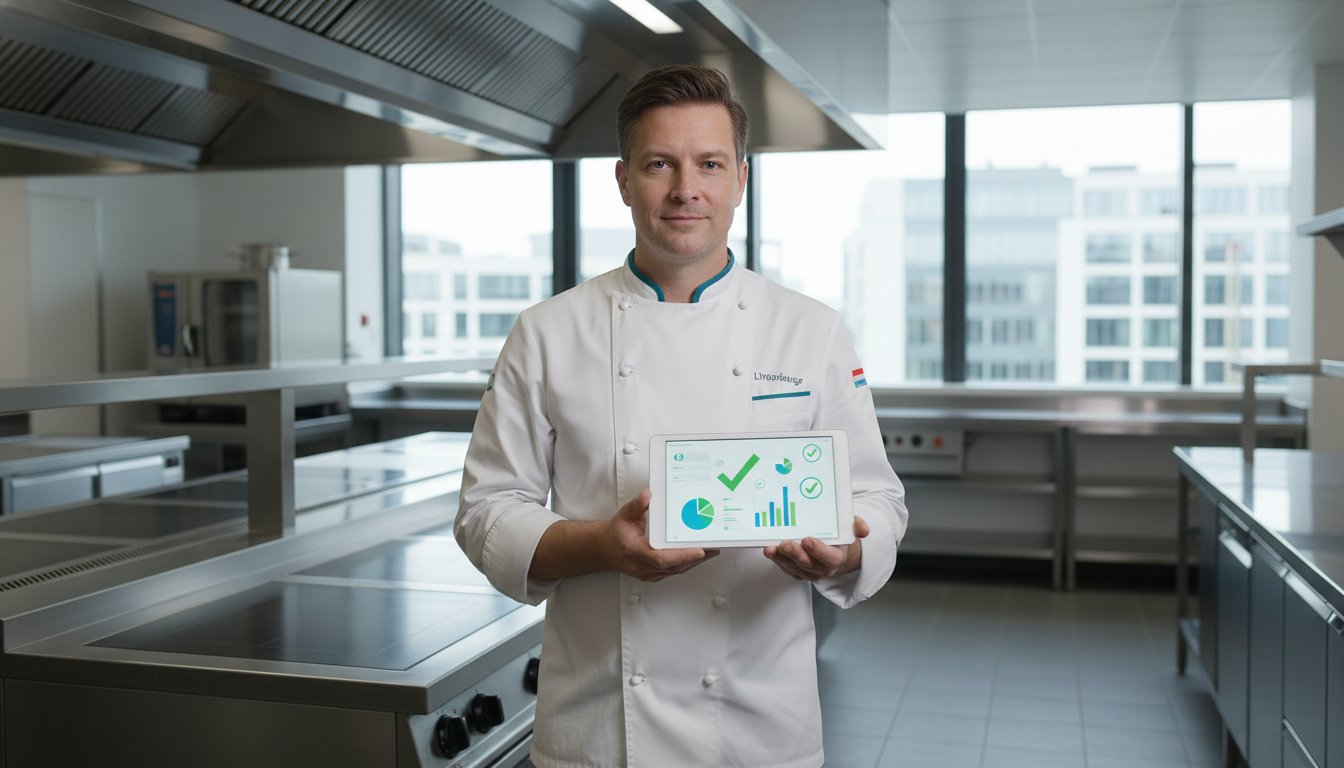
- Discover how a centralized dashboard simplifies restaurant chain compliance by providing real-time oversight of every kitchen without requiring physical site visits.
- Identify and correct "compliance drift" before it impacts your brand reputation by utilizing automated alerts for temperature deviations and missed safety tasks.
- Streamline your response to 2026 regulatory shifts, including California’s allergen disclosure mandates, through integrated digital management tools.
- Shift from a reactive "inspection-day" mindset to a proactive culture of readiness through continuous, automated monitoring and reporting.
The Evolution of Restaurant Chain Compliance in 2026
In 2026, restaurant chain compliance represents the strategic intersection of local regulatory requirements, global food safety principles, and brand equity protection. It's no longer just about avoiding a fine; it's about creating a unified operational culture across fifty, five hundred, or five thousand kitchens. Much of this evolution is influenced by European food safety standards, which continue to set the benchmark for national requirements regarding traceability and hygiene. The era of the paper clipboard has officially ended. Manual logs are too slow to catch deviations before they become dangerous, and they offer no visibility to a regional manager sitting miles away. Modern hospitality groups have shifted toward proactive, real-time monitoring that identifies a failing walk-in cooler before the inventory is lost.
The High Stakes of Multi-Site Non-Compliance
A single hygiene failure at a lone branch is no longer a localized event. In a digital world, a failed inspection or a food-borne illness report travels across social media in minutes, triggering a national PR crisis that devalues the entire brand. Beyond the reputational damage, poor temperature oversight leads to significant financial losses through unnecessary food waste. Directors and executives now face increased legal scrutiny. When systemic failures are identified, the legal liability often rests with those at the top who failed to implement adequate oversight systems across the organization.
Regulatory Trends Shaping the Industry
The regulatory environment is becoming more granular and data-intensive. Effective July 1, 2026, California’s SB 68 requires chains with 20 or more locations to provide detailed allergen disclosures. This shift toward transparency isn't limited to one state; it's part of a broader move toward digital traceability. National authorities are also adopting "smart" inspections, where they prioritize audits based on a brand's historical data and digital reporting accuracy. For many franchises, restaurant chain compliance has become a competitive advantage, helping them lower insurance premiums and improve operational efficiency.
- Allergen Transparency: Mandatory digital or physical disclosures for the nine major allergens are becoming the standard.
- Traceability: The FDA's FSMA 204 rule continues to push for detailed record-keeping of the Food Traceability List (FTL).
- Smart Inspections: Regulatory bodies now favor brands that can provide instant, digital proof of their safety protocols.
By adopting a digital-first approach, chains move from a reactive "inspection-prep" mode to a steady state of readiness. This transition ensures that every location, regardless of its distance from headquarters, adheres to the same high standards. It creates a friction-free environment where staff focus on service while technology handles the vigilance.
The Core Pillars of Multi-Site Food Safety Management
Scaling a restaurant brand requires more than a signature menu; it demands a repeatable safety engine that functions identically in every zip code. Achieving consistent restaurant chain compliance is often difficult because site layouts and local staffing levels vary. However, the foundational requirements remain the same. To maintain control, hospitality groups must anchor their operations in four core pillars: standardized HACCP protocols, automated monitoring, digital allergen tracking, and a culture of accountability. These pillars ensure that safety isn't a localized effort but a centralized operational strategy.
Effective management begins with the FDA Food Code, which serves as the model for most state and local regulations. While local health departments might have specific nuances, your internal standards should exceed the baseline to ensure brand protection. Automated temperature monitoring is a critical component of this strategy. By removing human error from the cold chain, you prevent the "pencil-whipping" of logs where staff retroactively fill in data. If a walk-in cooler drifts above 41°F, your system should notify a manager immediately, allowing for corrective action before inventory is lost.
Centralized HACCP Frameworks
Successful chains don't reinvent the wheel for every new opening. Instead, they implement a "Master HACCP" plan that is flexible enough to adapt to different kitchen footprints while keeping Critical Control Points (CCPs) identical. This standardization ensures every chef and line cook speaks the same safety language. Digital audit trails are now a necessity, providing the immutable evidence required by national safety inspectors to prove your chain has maintained continuous oversight. A multi-site management dashboard allows you to verify these audit trails across your entire portfolio from a single screen.
Allergen Management at Scale
With regulations like California’s SB 68 coming into full effect in 2026, allergen transparency is no longer optional for large groups. Manual charts are often ignored or become outdated as soon as a supplier changes an ingredient. Digital tools allow you to synchronize allergen data across all locations instantly, ensuring that the information on the menu matches the reality of the kitchen. Utilizing a dedicated allergen management tool for restaurants replaces error-prone paperwork with a live, accurate database that protects both the guest and the brand.
The final pillar is the shift from "box-ticking" to a genuine compliance culture. When staff see that safety tasks are streamlined through digital HACCP checklists rather than cumbersome paper stacks, compliance becomes a daily habit. It's about empowering your team with tools that provide instant feedback. This proactive vigilance ensures that your brand remains ready for an unannounced inspection at any hour, at any location.
Overcoming Compliance Drift in Large Restaurant Groups
Standards don't disappear overnight; they erode through a process known as "compliance drift." In large, decentralized organizations, distance from headquarters often leads to localized shortcuts. This is the primary challenge in maintaining restaurant chain compliance across a growing portfolio. When a kitchen is understaffed or during a peak Friday night rush, teams naturally prioritize speed over safety. This creates a dangerous "inspection-only" mindset where protocols are only followed when an auditor is physically present. To protect your brand, you must move toward a system that makes safety a continuous, visible part of the daily workflow.
The Visibility Gap
Monthly or quarterly physical audits are insufficient because they only capture a snapshot in time. A kitchen might look perfect during a scheduled Tuesday afternoon walk-through but fail a critical temperature check during a high-volume shift. Remote dashboards bridge this gap by providing operations managers with continuous data streams. This digital transparency allows you to spot negative trends, such as a repeated failure to complete a closing checklist, before they escalate into a health violation. It's important to frame these tools correctly for your team. Technology isn't a tool for micromanagement; it's a proactive safety net that protects the staff from the fallout of a single human error.
Standardizing Local Autonomy
No two kitchens are identical. One location might have a complex basement walk-in layout, while another utilizes smaller reach-in units. While every site requires a degree of local autonomy, your safety standards remain non-negotiable. Smart reminders within digital systems ensure that opening and closing checklists stay consistent regardless of site-specific variations. Automated logs significantly reduce the administrative burden on chefs, allowing them to refocus on culinary excellence rather than paperwork. By digitizing these processes, you provide the structure needed for local autonomy without sacrificing the core protocols that define your brand's commitment to safety.
Engaging staff is the final piece of the puzzle. You can turn restaurant chain compliance into a daily habit by gamifying the process. Use your multi-site dashboard to create friendly competition between locations. Recognizing branches that maintain 100% completion rates for their digital HACCP checklists fosters a sense of ownership among the crew. When teams see compliance as a measurable achievement rather than a chore, they are more likely to uphold standards even when no one is watching. This shift in culture ensures that safety remains a constant, not a performance for an auditor.
Implementing a Digital-First Compliance Strategy
Transitioning from a legacy paper system to a modern digital framework requires a structured roadmap. It's not simply about replacing clipboards with tablets; it's about re-engineering your operational workflow to ensure data flows seamlessly from the kitchen floor to the executive suite. To achieve lasting restaurant chain compliance, the implementation must be methodical. A rushed rollout often leads to poor data entry and staff frustration, which ultimately undermines the safety standards you're trying to protect. By following a phased approach, you can ensure that technology becomes a supportive tool rather than an administrative burden.
Phase 1: The Audit and Inventory
Success begins with a comprehensive audit of your current estate. You must map every Critical Control Point (CCP) across all locations to identify where your current manual record-keeping is most vulnerable to error. This inventory should evaluate the physical layout of each kitchen and the specific equipment in use. For those operating within the EU, it's essential to consult the Luxembourg food safety regulations guide to ensure your digital checklists align with specific national standards. This phase allows you to identify "compliance black holes" where data is currently missing or unreliable.
Phase 2: Deployment and Feedback
A "big bang" rollout across fifty locations simultaneously is a recipe for operational friction. Instead, start with a single pilot location to test your digital HACCP checklists and automated sensors in a live environment. Gathering direct feedback from line cooks and sous chefs during this stage is vital. If the software isn't user-friendly during a lunch rush, it won't be used correctly. Once the pilot is refined, you can begin "training the trainers," empowering your most experienced site managers to lead the digital transition in their respective regions. This peer-to-peer training builds much more trust than a top-down mandate from headquarters.
The final step in the implementation process is the integration of hardware and the establishment of a review cadence. Integrating automated temperature sensors into your existing refrigeration units provides a 24/7 safety net that manual checks simply cannot match. Once these systems are live, commit to reviewing the data on a weekly basis. This habit allows you to refine operational workflows and identify equipment that may be nearing failure, significantly reducing food waste. To begin building your custom safety framework, you can explore our multi-site management dashboard today.
By treating restaurant chain compliance as an evolving digital strategy rather than a one-time setup, you ensure your brand remains resilient. This proactive approach allows you to scale your safety standards with confidence, knowing that every new location will be integrated into a system designed for precision and oversight.
Scaling Standards with SafeBite: The Future of Chain Oversight
As your portfolio expands, the complexity of maintaining safety standards grows exponentially. SafeBite serves as a centralized command center, providing a bird's-eye view of your entire organization. It's no longer necessary to rely on hearsay or delayed reports from regional managers. Instead, you gain a real-time perspective on which branches are excelling and which require immediate attention. This level of oversight is the final piece in achieving sustainable restaurant chain compliance at scale. By integrating every location into a single ecosystem, you ensure that brand protection is never left to chance.
Automated alerts act as your proactive safety net. If a refrigeration unit fails at 3:00 AM in a location three states away, the system notifies the designated manager instantly. This immediate feedback loop ensures that no deviation goes unnoticed, preventing minor technical issues from escalating into major safety incidents. It transforms the role of management from reactive firefighting to proactive vigilance, allowing you to maintain control without being physically present in every kitchen.
Centralized Control, Local Execution
Managing multiple locations requires a balance between rigid standards and operational flexibility. SafeBite’s multi-site management dashboard allows you to oversee diverse concepts within the same restaurant group from a single, intuitive interface. You can push global updates to safety protocols across the entire chain with one click, while still customizing specific tasks for unique site layouts. By utilizing digital food safety checklists, groups can ensure that every line cook, regardless of their location, follows the exact same high-standard procedures every shift.
Data-Driven Growth
Compliance data is a powerful tool for organizational improvement. By analyzing completion rates and temperature trends, you can identify specific training needs across your organization before they manifest as failed inspections. This data-driven approach helps restaurant chains scale faster by standardizing "back-of-house" excellence, making it easier to replicate success in new markets. When safety protocols are digitized, the administrative friction of opening a new site is significantly reduced, as the entire compliance framework is ready to deploy on day one.
The financial and environmental ROI of this digital shift is undeniable. Beyond the massive reduction in paper waste, the precision of an automated temperature monitoring system prevents thousands of dollars in annual inventory loss per location. It effectively eliminates the "audit anxiety" that often plagues kitchen teams because they remain inspection-ready 365 days a year. See how SafeBite can secure your restaurant chain compliance today.
Ultimately, the future of restaurant chain compliance lies in the seamless integration of technology and human expertise. By choosing a partner that understands the practical realities of the hospitality industry, you position your brand as a leader in safety and innovation. This commitment not only protects your guests but also builds a foundation of trust that supports long-term, friction-free growth.
Securing Your Brand's Future through Digital Precision
Managing a growing portfolio doesn't have to mean sacrificing oversight or risking your hard-earned reputation. By transitioning to a digital-first strategy, you replace the uncertainty of manual logs with the absolute clarity of real-time data. You've seen how centralized frameworks and automated monitoring eliminate the "compliance drift" that naturally occurs in large, decentralized groups. These systems don't just protect your guests; they empower your kitchen teams to focus on culinary excellence rather than administrative paperwork.
Achieving ironclad restaurant chain compliance is a continuous journey of proactive vigilance. With the right tools, you can maintain inspection-ready documentation 24/7 and ensure every location meets your non-negotiable standards. You're now equipped to turn regulatory challenges into a strategic competitive advantage for your franchise. Real-time oversight across all locations and automated HACCP reporting are no longer luxuries but essential components of modern hospitality management.
Ready to see how technology can streamline your operations? Book a demo to see SafeBite’s multi-site dashboard in action and discover how to maintain total control over your safety standards. Your path to friction-free growth starts with precision and a commitment to excellence.
Frequently Asked Questions
What are the main compliance requirements for restaurant chains in 2026?
Chains must prioritize California's SB 68 allergen disclosure mandate and the new unified state licensing system in Texas, both effective in July 2026. While the FDA extended the FSMA 204 traceability deadline to July 2028, businesses must also navigate a patchwork of state-level PFAS bans in food packaging. Staying ahead of these localized shifts is now the baseline for effective restaurant chain compliance.
How does digital HACCP software improve multi-site management?
Digital HACCP software provides a centralized source of truth by replacing fragmented paper logs with a real-time dashboard. It allows regional managers to verify task completion across hundreds of sites without leaving their desks. If a critical limit is breached, the system triggers an instant alert, enabling a swift resolution before a safety incident occurs.
Can a restaurant chain use the same HACCP plan for all locations?
You should utilize a Master HACCP plan that standardizes Critical Control Points while allowing for site-specific variations. While the core safety protocols remain identical across the brand, the physical layout of a basement kitchen versus a small-format unit requires slight adjustments in workflow. This balance ensures brand-wide consistency without ignoring local operational realities.
What happens if a restaurant chain fails a national food safety audit?
Failure often leads to immediate financial penalties, such as Florida's fines of up to $1,000 per offense, and severe reputational damage. Beyond fines, a failed national audit can trigger systemic legal liabilities for directors if oversight is proven inadequate. Maintaining 24/7 inspection-ready documentation is the only reliable way to mitigate these organizational risks.
Is it expensive to implement a digital compliance system across a large group?
Implementation costs are typically offset by the significant reduction in food waste and labor hours spent on manual record-keeping. While digital systems require an initial investment in hardware like temperature sensors, the long-term ROI comes from avoiding PR crises and insurance premium hikes. It's an operational investment that protects your bottom line from the high cost of non-compliance.
How do automated temperature alerts help reduce food waste in chains?
Automated alerts identify refrigeration drifts the moment they happen, allowing staff to move inventory before it reaches the danger zone. Manual checks only catch failures every few hours, which is often too late to save the stock. By providing 24/7 vigilance, these systems ensure that a single equipment failure doesn't result in thousands of dollars of wasted product.
What is the best way to train staff on new digital compliance tools?
The most effective method is a "train the trainer" approach combined with a pilot program at a high-performing location. By empowering site managers to lead the transition, you build internal trust and ensure the software is tested against real-world kitchen pressure. Choosing tools with intuitive, digital-first interfaces also reduces the learning curve for entry-level staff.
How often should a restaurant chain review its compliance data?
Review your compliance data at a high level every week to identify training gaps or equipment trends across the group. While your system handles real-time alerts for critical failures, weekly audits of your multi-site dashboard help you spot "compliance drift" before it becomes a violation. This proactive cadence ensures that restaurant chain compliance remains a top priority for every team member.