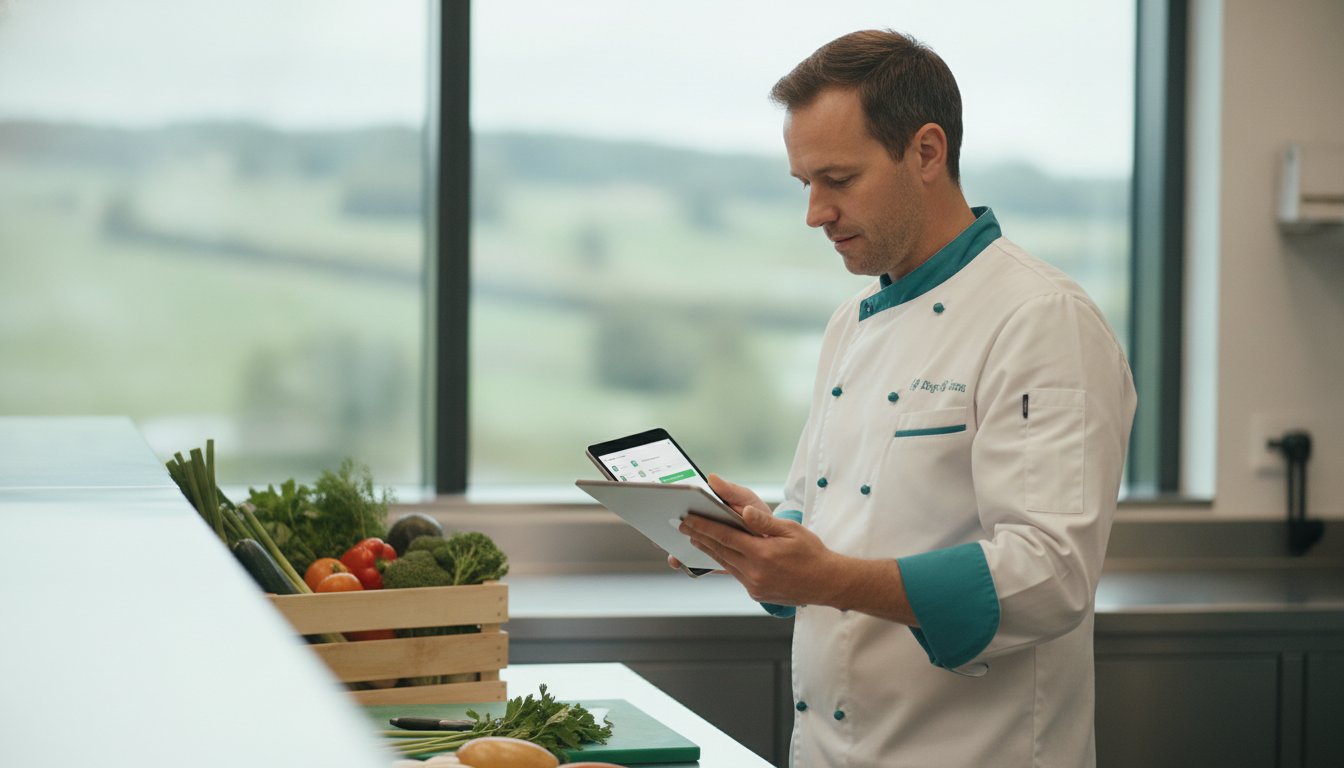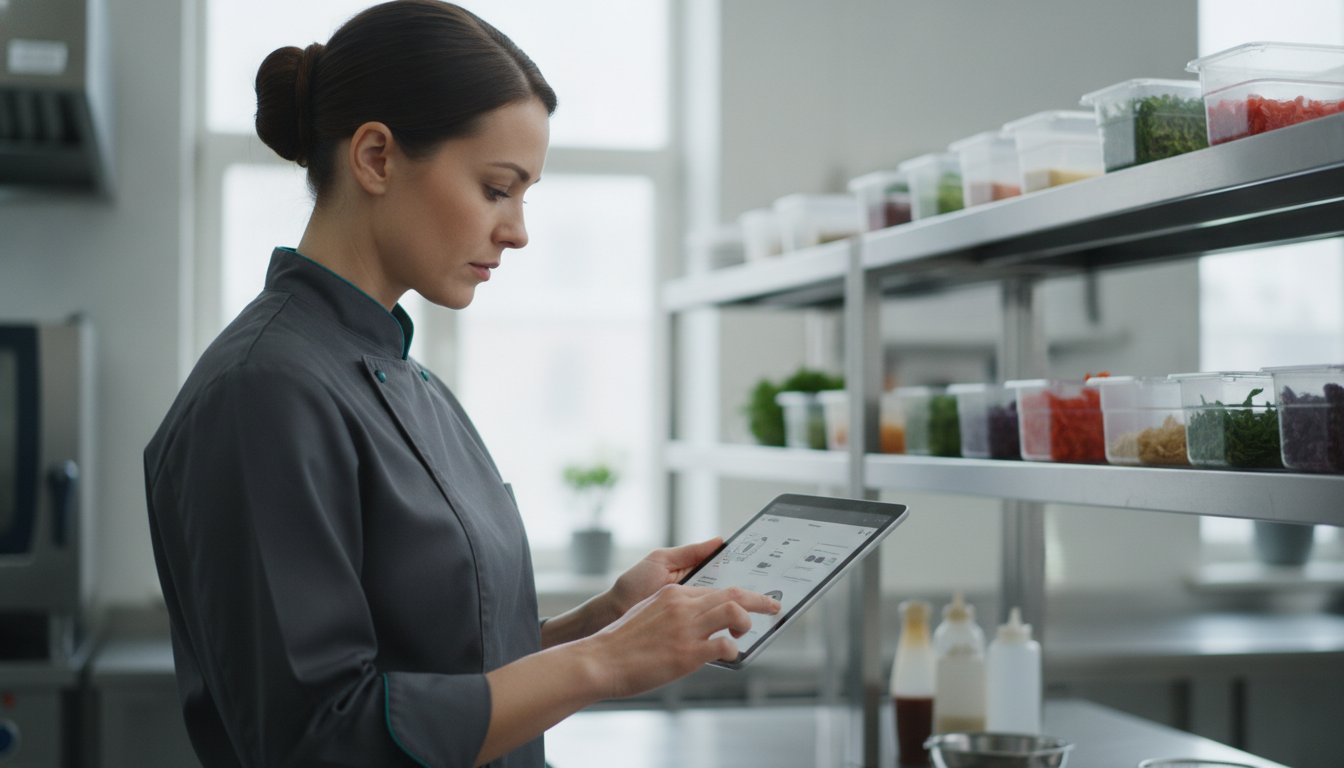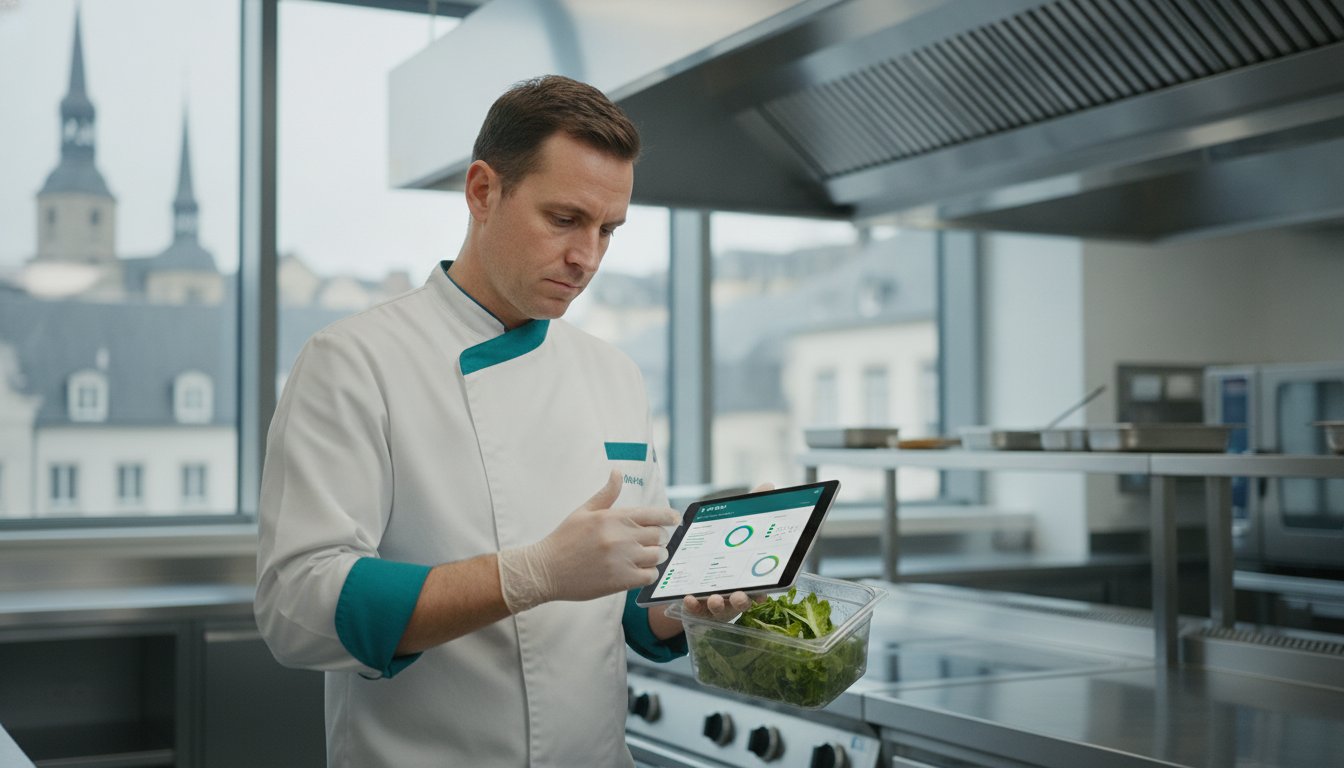
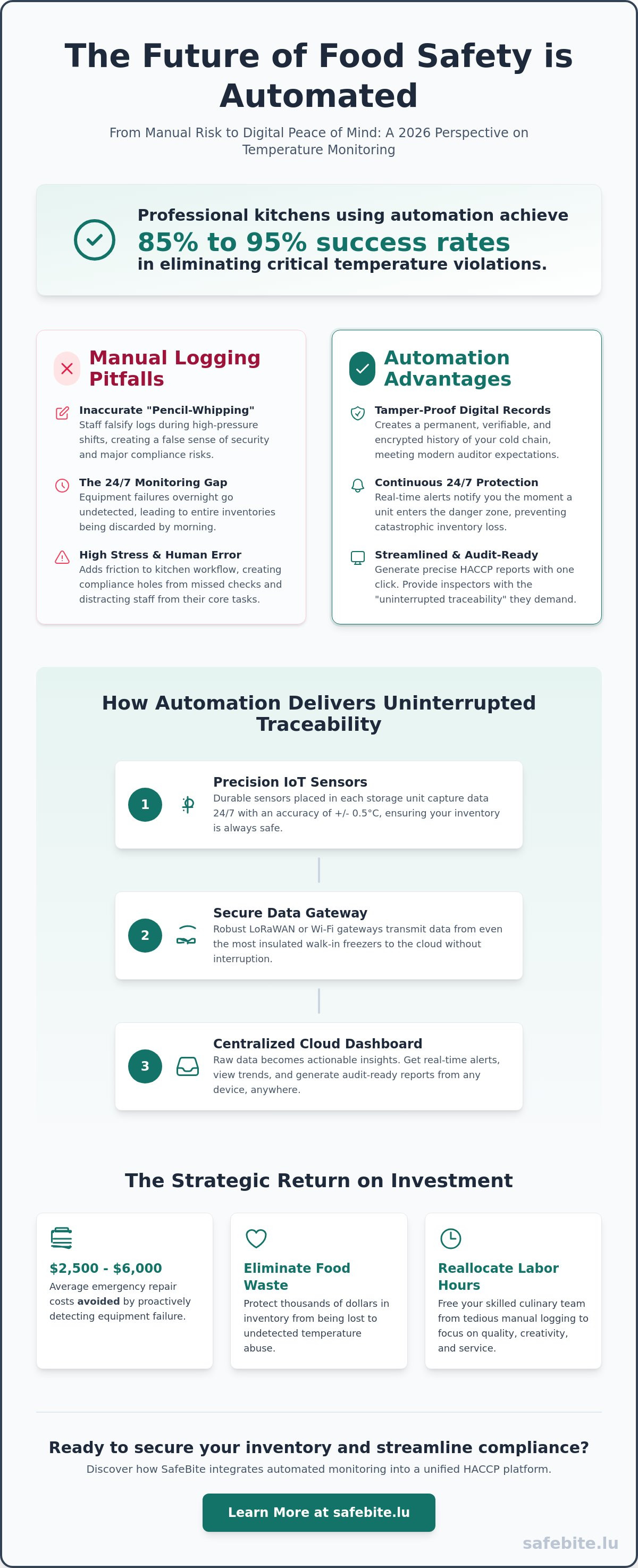
Did you know that professional kitchens implementing food safety automation achieve zero critical temperature violations at rates of 85% to 95%? You likely recognize that manual paper logging is more than just a tedious chore; it's a significant operational liability. Relying on staff memory during a high-pressure shift often results in inconsistent records and elevated stress when an inspector walks through the door. It's a reactive approach that leaves your inventory vulnerable to undetected equipment failure.
This 2026 guide explores how automated temperature monitoring secures your inventory, ensures continuous HACCP compliance, and removes the friction of manual oversight. You'll discover how transitioning to a digital system provides 24/7 peace of mind while generating the precise, audit-ready reports required by modern regulatory standards. We will detail the strategic shift from pen-and-paper logs to a streamlined dashboard that protects your bottom line and eliminates the risk of costly food waste.
Key Takeaways
- Identify why manual logs fail in high-pressure environments and how digital records eliminate the risk of inaccurate data entry.
- Understand the technical framework of automated temperature monitoring, utilizing IoT sensors and secure gateways for continuous data collection.
- Analyze the strategic ROI of reallocating labor hours from manual checks to active kitchen management while protecting your inventory.
- Learn the step-by-step process for mapping your cold chain and establishing precise critical limits for every storage unit.
- Explore how a centralized dashboard provides multi-site operators with real-time visibility into food safety compliance across all locations.
The Evolution of Food Safety: Why Manual Temperature Logs Fail in 2026
Food safety management has moved past the era of clipboards and manual thermometers. Today, automated temperature monitoring is defined as a continuous, sensor-based data collection system that captures environmental conditions in real-time. Unlike manual checks, which only provide a snapshot of a single moment, these systems offer a constant stream of data. This evolution is driven by the reality that manual logging is no longer sufficient to meet the rigorous demands of a modern professional kitchen.
One of the most persistent issues in traditional kitchens is "pencil-whipping." This occurs when staff, overwhelmed by the rush of service, falsify or backdate temperature logs to appear compliant. It's rarely malicious; it's a symptom of a high-pressure environment where documentation competes with food preparation. However, these inaccurate records create a false sense of security while leaving the business exposed to significant regulatory risk. By 2026, inspectors have become increasingly adept at identifying these patterns, making digital verification the expected standard for professional operations.
Manual monitoring also suffers from a critical 24/7 gap. When the last staff member leaves after the closing shift, the kitchen's inventory remains unmonitored until the morning prep team arrives. If a compressor fails at midnight, the stock remains in the "danger zone" for hours without detection. By the time it's discovered, the entire inventory must be discarded. A proactive system identifies these failures the moment they occur, regardless of the hour.
The Hidden Risks of Human Error in Compliance
Missed checks during peak hours create "compliance holes" in your HACCP records. These gaps are exactly what health inspectors look for during an audit. Beyond compliance, the stakes are financial. A single undetected fridge failure can result in an average emergency repair cost of $2,500 to $6,000, not including the value of the lost inventory. There's also a psychological burden to consider. Forcing chefs to manage manual logs adds unnecessary friction to their workflow, distracting them from their primary craft and increasing overall workplace stress.
Modern Food Safety Standards in Luxembourg
In Luxembourg, there's a distinct national shift toward digital-first hygiene oversight. Auditors now expect to see "uninterrupted traceability" that proves a cold chain remained intact from delivery to service. By utilizing modern temperature data loggers, businesses can provide a transparent digital trail. This approach aligns perfectly with the core principles of HACCP, where verification and record-keeping are essential. Digital logs ensure that every critical control point is monitored without the possibility of human oversight or error.
How Automated Temperature Monitoring Systems Work
An effective automated temperature monitoring system operates as a cohesive ecosystem of hardware and software. It's not just a collection of digital thermometers; it's a networked infrastructure designed for constant vigilance. The process begins with the hardware layer, where specialized sensors are placed directly inside storage units. These devices capture data at regular intervals, ensuring that every shift in the environment is documented without human intervention.
Data transmission is handled by the gateway layer. In a professional kitchen, the physical environment presents unique challenges. Stainless steel walls and heavy insulation often block standard signals. Modern systems solve this by using LoRaWAN or robust Wi-Fi protocols to ensure data travels from the deepest walk-in freezer to the cloud without interruption. This connectivity allows the system to maintain a steady flow of information, even in the most demanding architectural layouts.
Once the data reaches the cloud, the software layer takes over. Raw numbers are transformed into visual trends and actionable insights on a centralized dashboard. To ensure these records remain compliant and audit-ready, data is encrypted and stored in a tamper-proof format. This creates a permanent, verifiable history of your cold chain integrity that can be accessed from any device, providing a level of security that paper logs simply cannot match.
Wireless IoT Sensors: Precision in Every Environment
IoT sensors in 2026 are engineered for extreme precision and durability. Most professional-grade units maintain an accuracy range of +/- 0.5°C, ensuring your inventory stays well outside the temperature danger zone. These devices are built to withstand the high humidity of walk-ins and the sub-zero temperatures of industrial freezers. They're also designed for longevity, featuring batteries that last for several years. This low-maintenance profile means your team spends less time on technical upkeep and more time on food quality.
Real-Time Alerting and Notification Protocols
The true value of a digital system lies in its intelligence. It doesn't just record data; it interprets it. Sophisticated algorithms can distinguish between a temporary temperature spike caused by a routine delivery and a sustained rise indicating a compressor failure. When a critical threshold is breached, the system triggers an immediate notification protocol. You receive alerts via SMS, email, or push notifications, allowing for corrective action before spoilage occurs. For operators managing various locations, a Multi-site Management Dashboard makes it easy to oversee these alerts across an entire organization from a single screen.
Manual vs. Automated Monitoring: A Strategic ROI Analysis
Transitioning from manual logs to automated temperature monitoring isn't merely a technical upgrade; it's a strategic shift in how a kitchen protects its profit margins. While manual checks are often viewed as a "free" task performed by existing staff, the hidden costs are substantial. Every minute a senior chef spends holding a thermometer is a minute taken away from plate consistency, staff training, or menu development. By automating this process, you convert a recurring labor expense into a fixed, predictable operational advantage.
The financial impact of food waste reduction provides perhaps the most immediate return on investment. Research indicates that proactive maintenance identified through continuous monitoring can cost 40% to 60% less than emergency repairs, which average between $2,500 and $6,000 per incident. When a system provides real-time alerts, it allows your team to intervene before a minor equipment fluctuation turns into a total inventory loss. This proactive vigilance ensures that your cold chain remains unbroken, protecting thousands of dollars in stock from a single equipment failure.
Efficiency also extends to the audit process. In a traditional setup, preparing for a health inspection involves a frantic search through stacks of paper logs, often taking two hours or more to verify historical data. With a digital system, you can pull a comprehensive, tamper-proof report in under two minutes. This speed doesn't just save time; it projects an image of total control and professional organization to national auditors.
Efficiency and Labor Cost Savings
Consider the cumulative cost of manual compliance. If your team performs four checks per day across five units, taking five minutes per check, you're losing 100 minutes of productivity daily. Over a month, this totals 50 hours of labor. Automation reclaims this time entirely, allowing your team to focus on high-value culinary tasks. For a deeper look at optimizing your back-of-house workflow, see The 2026 Guide to Kitchen Operations Management Software.
Data Integrity and Audit Readiness
Digital, time-stamped data carries a level of authority that manual logs cannot match. Luxembourg national inspectors increasingly prioritize digital records because they provide a transparent, unalterable history of compliance. These records satisfy the legal requirements for the Monitoring and recording of critical factors, reducing your business's liability and potentially lowering insurance risks. When your data is instant and accurate, you move from a state of audit-anxiety to one of permanent readiness.
Setting Up Your System: Thresholds and Corrective Actions
Implementing automated temperature monitoring involves more than just hardware placement. It requires a methodical configuration that aligns with your specific operational flow. A successful setup ensures that your system doesn't just collect data but actually protects your business from risk. This process follows four essential stages to create a robust safety net for your kitchen.
- Step 1: Mapping your cold chain. Identify every critical control point, including walk-in freezers, prep fridges, dry storage, and hot holding units.
- Step 2: Defining Critical Limits. Establish the precise temperature boundaries for each unit. For instance, cold storage must typically stay at or below 5°C, while hot holding must remain above 57°C to ensure safety.
- Step 3: Configuring Buffer Times. Set delay thresholds to prevent false alarms. This ensures that a brief temperature spike during a delivery doesn't trigger an unnecessary alert, while a sustained rise indicating equipment failure is caught immediately.
- Step 4: Designing the Corrective Action workflow. Define who is responsible for responding to an alert and exactly what steps they should take to mitigate the risk.
By following these steps, you transform raw sensor data into a structured safety protocol. This level of organization is what separates a basic monitoring tool from a professional food safety system. If you're ready to modernize your oversight, our Temperature Monitoring System provides the precision and reliability required for high-volume environments.
Defining Critical Limits for Cold and Hot Holding
Temperature requirements vary significantly across different food categories. High-risk items, such as raw seafood or dairy, demand the highest level of sensor accuracy because even a slight deviation can lead to rapid bacterial growth. It's essential to set your thresholds based on the most stringent requirements for the items stored in each unit. For a comprehensive look at the legal boundaries in your region, refer to the Luxembourg Food Safety Regulations. These standards ensure your kitchen remains compliant during any unannounced audit.
Building an Escalation Workflow
A notification is only effective if it's acted upon. In a busy kitchen, a single SMS can easily be overlooked. A professional escalation path solves this by notifying a secondary contact or supervisor if the initial alert isn't acknowledged within a set timeframe. When the team responds, they log the specific action taken directly into the system, such as "Compressor reset" or "Stock moved to walk-in." This digital record proves to inspectors that you are actively managing your hazards. You can explore more about these strategies in our analysis of Preventing Food Waste with Real-Time Temperature Alerts.
SafeBite: Integrating Monitoring into a Unified HACCP Platform
SafeBite transforms automated temperature monitoring from a standalone technical feature into the cornerstone of a unified digital HACCP platform. Instead of managing separate systems for sensors and documentation, operators benefit from a single source of truth. This integration ensures that every data point captured by an IoT sensor automatically populates the relevant sections of your compliance records. It eliminates the need for manual data transfer and ensures that your digital logs are always current and accurate.
A significant advantage of this unified approach is the ability to leverage predictive compliance. By analyzing historic data trends, the system identifies equipment that is beginning to underperform before a total failure occurs. For example, if a walk-in freezer takes progressively longer to return to its set point after a delivery, the dashboard flags this trend. This insight allows you to schedule maintenance proactively, avoiding the high costs of emergency repairs and the stress of potential inventory loss. It's a shift from reactive firefighting to disciplined, data-driven oversight.
Transitioning from a traditional paper-based system to a digital environment is a significant operational move. SafeBite is designed to make this shift seamless and stress-free. The onboarding process focuses on mapping your existing workflows into a digital format that feels natural to your team. With professional support and an intuitive interface, the transition doesn't disrupt daily service; it enhances it by removing the administrative burden from your culinary staff.
Beyond Sensors: A Holistic Food Safety Ecosystem
True food safety involves more than just keeping things cold. It requires a comprehensive view of every kitchen process. When your temperature data flows directly into your digital food safety checklists, you create a holistic ecosystem of accountability. For multi-site restaurant groups, the "Manager View" provides a centralized dashboard to oversee compliance across dozens of locations simultaneously. You can verify that every site is meeting its critical limits without needing to be physically present, ensuring brand-wide consistency and safety.
Reducing Waste Through Strategic Oversight
Strategic oversight has a direct impact on your bottom line and your environmental footprint. Achieving zero-waste kitchen operations is much easier when you have the "calm authority" that comes from real-time visibility. SafeBite provides the tools needed to manage a high-volume kitchen with precision, reducing the financial drain of spoiled stock and the environmental cost of discarded food. By integrating every aspect of your safety protocol into one dashboard, you gain the confidence to focus on growth rather than compliance gaps. To see how these tools can protect your business, Explore SafeBite’s Automated Monitoring Solutions.
Future-Proofing Your Kitchen Operations
The move toward digital oversight is a fundamental shift in how modern kitchens operate. It's about moving from reactive crisis management to a state of permanent proactive vigilance. By adopting automated temperature monitoring, you protect your inventory from unexpected equipment failure and reclaim dozens of labor hours that were previously lost to manual logging.
You now have the framework to transform compliance from a source of operational stress into a streamlined, digital asset. The ability to access audit-ready digital reports and receive real-time SMS and push alerts ensures that your team is always prepared for an inspection. Whether you're overseeing a single location or a complex group, the right technology provides the calm authority needed to maintain high standards without constant manual intervention.
Ready to modernize your safety protocols? Secure Your Kitchen with SafeBite Automated Monitoring to experience the efficiency of seamless multi-site management and total cold chain visibility. Taking control of your food safety today builds a more resilient, profitable, and organized operation for the years to follow.
Frequently Asked Questions
Do I need a special Wi-Fi connection for automated sensors to work in a walk-in freezer?
You don't necessarily need a specialized Wi-Fi network, but standard routers often struggle to penetrate thick stainless steel and industrial insulation. Professional systems frequently utilize LoRaWAN gateways because they provide superior range and signal penetration compared to traditional Wi-Fi. This ensures that your sensors maintain a stable connection even from the back of a heavily insulated walk-in freezer.
What happens if the internet goes out—will I lose my temperature data?
Your data remains secure during a network outage because modern gateways are equipped with internal memory buffers. The hardware caches all temperature readings locally while the connection is down. As soon as the internet is restored, the system automatically syncs the stored records to the cloud. This ensures your traceability remains uninterrupted and your compliance logs stay complete.
How often do the batteries in wireless temperature sensors need to be replaced?
Batteries in wireless sensors are designed for extreme longevity, typically lasting between two and five years. The automated temperature monitoring system tracks battery levels in real-time and provides proactive alerts well before a replacement is required. This low-maintenance profile ensures that your kitchen remains protected with minimal technical upkeep from your staff.
Can I use automated monitoring for hot holding as well as cold storage?
The technology is fully adaptable for hot holding units, bain-maries, and heated cabinets. Specialized high-temperature probes ensure that cooked foods remain above the required safety thresholds. Integrating both hot and cold monitoring into a single dashboard provides a comprehensive view of your entire food safety operation and simplifies your daily oversight.
Is automated temperature monitoring legally required for HACCP compliance in Luxembourg?
Luxembourg food safety authorities require accurate and verifiable records, and while automation isn't explicitly mandated by name, digital logs are the recognized gold standard. National auditors prioritize time-stamped, tamper-proof data because it provides a level of integrity that manual logs cannot replicate. Utilizing a digital system significantly reduces the risk of being cited for inconsistent or missing records during an audit.
How much time can my staff actually save by switching to automated logging?
Switching to automated temperature monitoring can save your staff between 30 and 60 minutes per day. This translates to approximately 15 to 30 hours of reclaimed labor every month. Instead of performing repetitive manual checks and filing paperwork, your team can focus their energy on food quality, prep consistency, and high-value culinary tasks.
Will the system alert me if someone accidentally leaves the fridge door open?
The system identifies door-open events by tracking sustained temperature fluctuations that cross your predefined thresholds. You can configure "buffer times" to prevent false alarms during busy service periods when doors are frequently opened. If the temperature remains in the danger zone for too long, the system triggers an immediate SMS or push notification so your team can take corrective action.