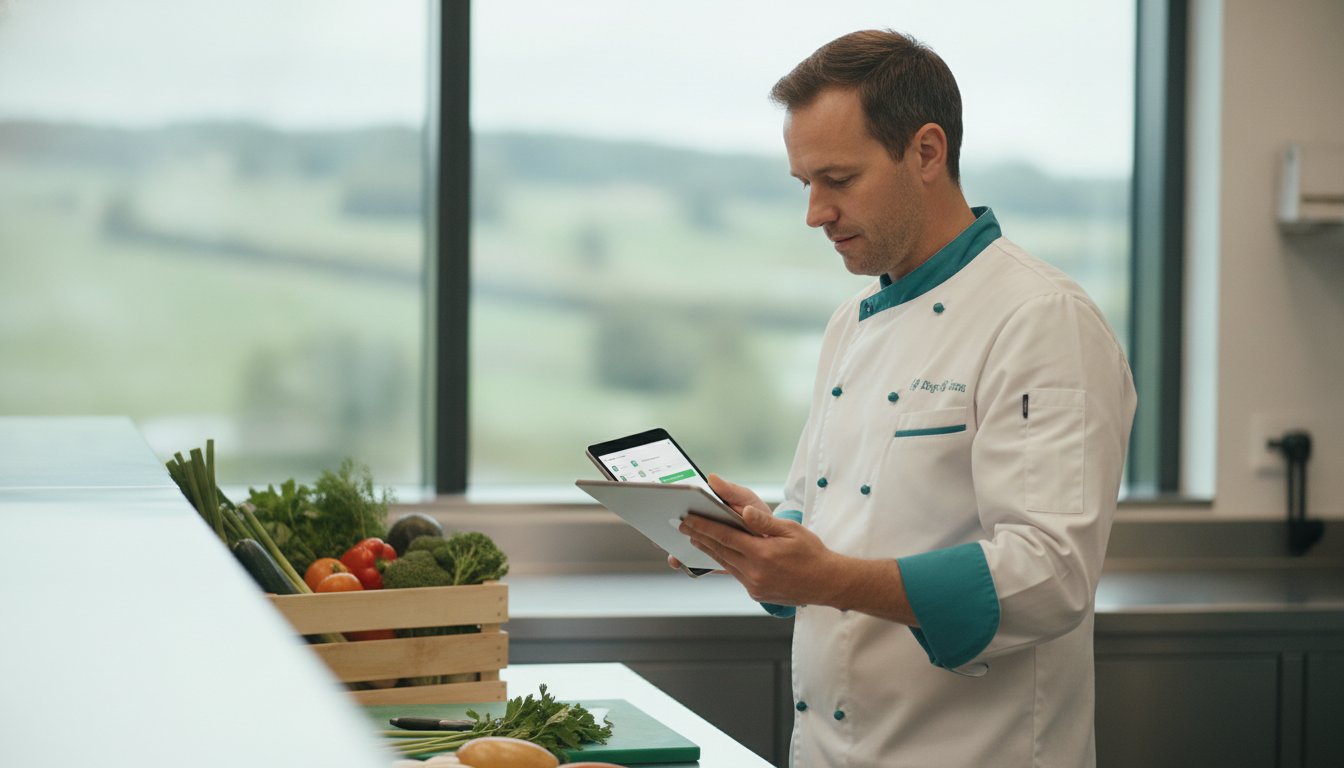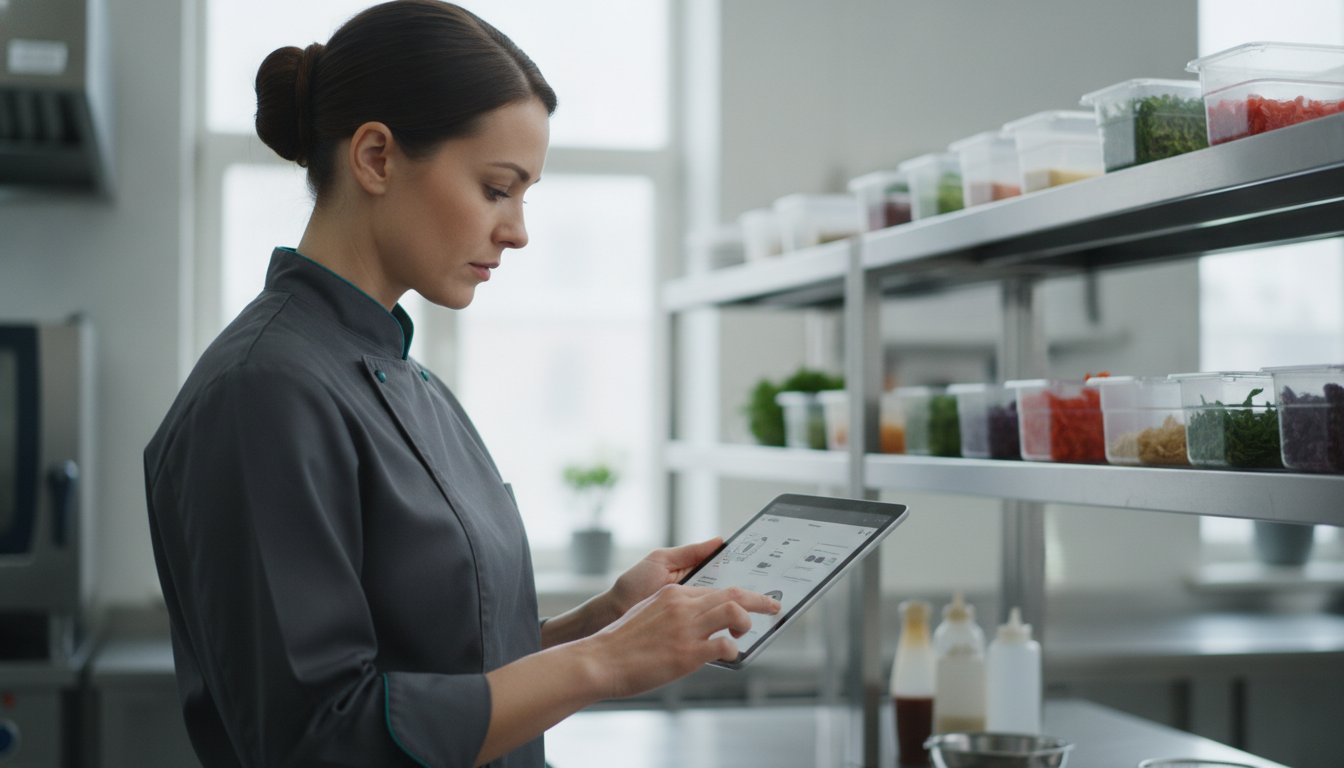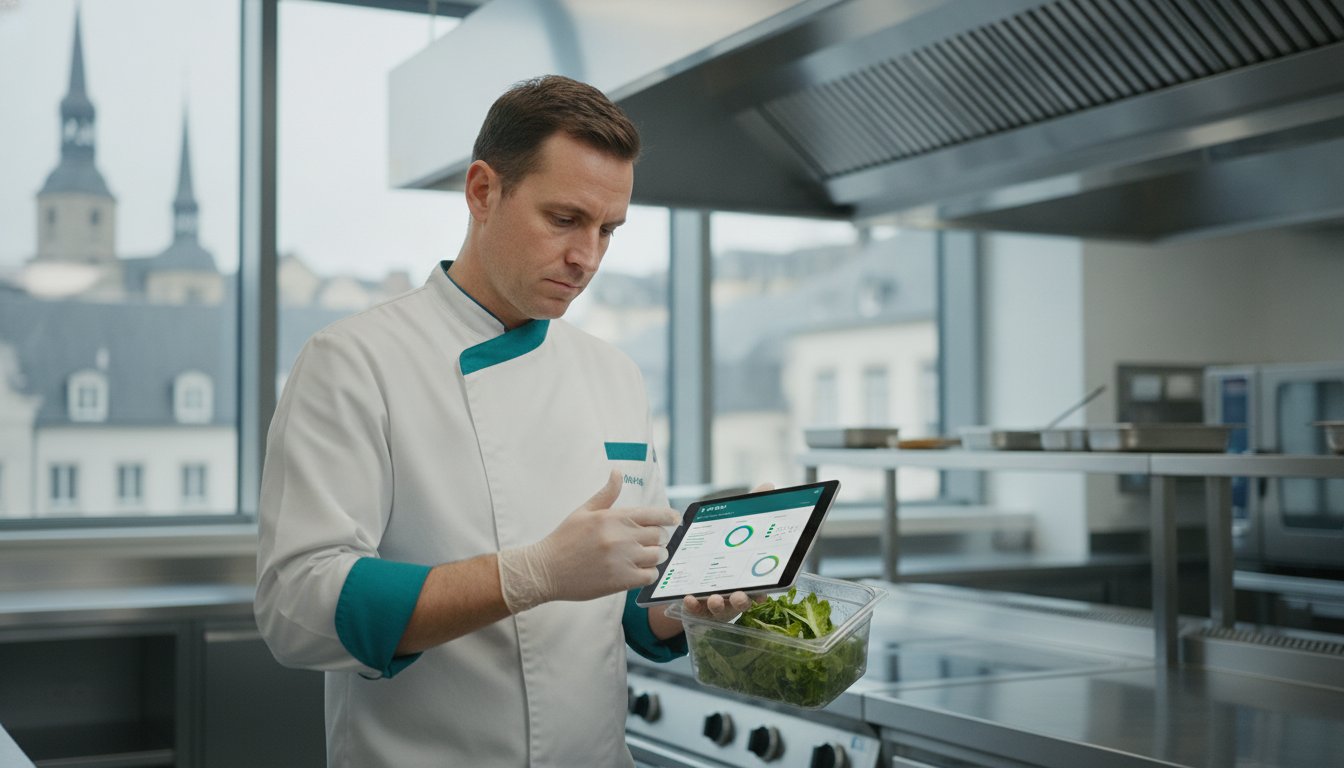
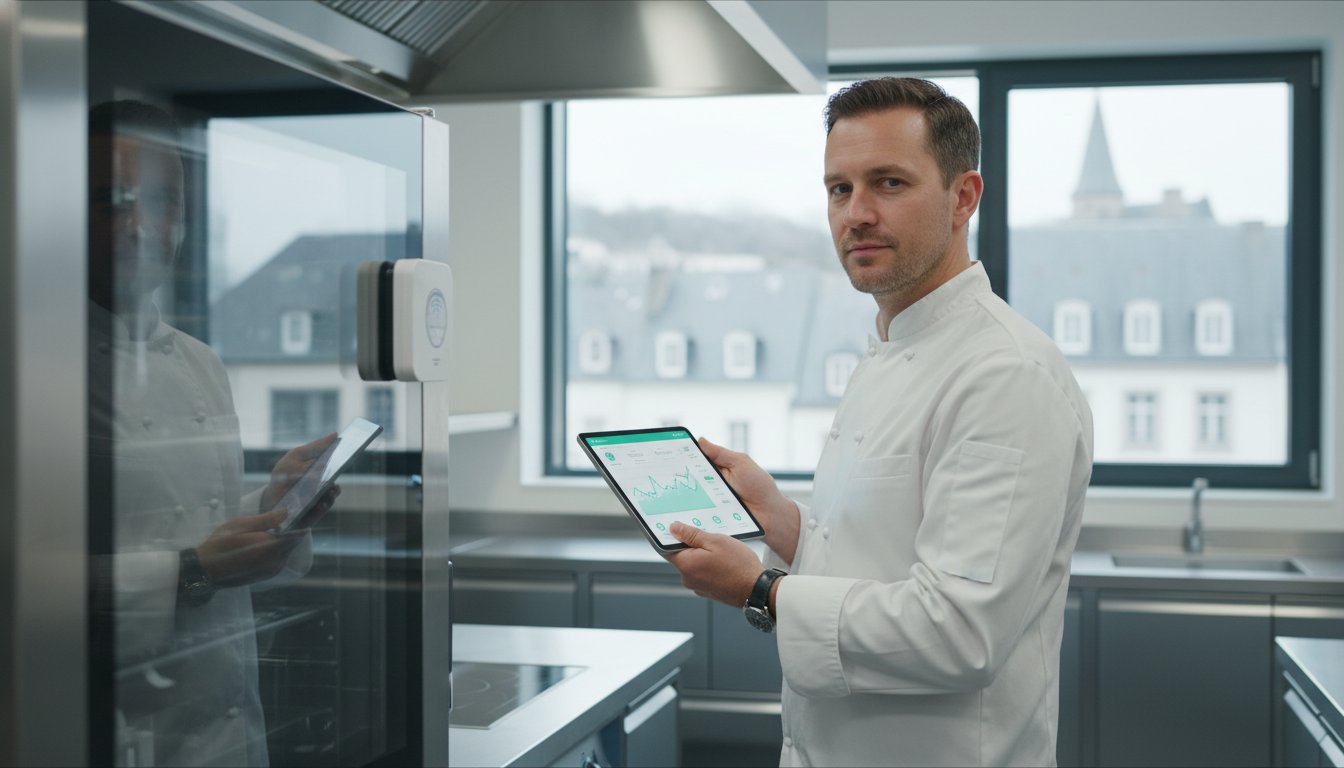
A single refrigeration failure can cost your business between $5,000 and $20,000 in emergency repairs and lost inventory. For many kitchen managers, the manual burden of record-keeping is just as heavy. You likely deal with staff forgetting to log readings or the anxiety that your current HACCP temperature monitoring system relies too much on human memory. It's a high-stakes environment where traditional paper logs often fall short during unannounced health inspections.
Reliable oversight shouldn't be a source of stress. Manual logs are easily falsified or lost; digital records stay secure and instantly ready for auditors. This guide helps you select and implement a digital solution that ensures 24/7 compliance and eliminates manual paperwork. You'll discover how to gain total control over your cold chain with real-time alerts sent straight to your phone before food spoils. We'll preview the essential tools for 2026, including digital HACCP checklists and multi-site management dashboards, to help you reduce labor costs and maintain an audit-ready kitchen at all times.
Key Takeaways
- Learn how a modern HACCP temperature monitoring system replaces manual paperwork with automated IoT sensors and cloud-based reporting for 24/7 oversight.
- Discover why a hybrid approach, combining fixed wireless sensors for storage with handheld digital probes for cooking, is the professional standard for total compliance.
- Understand how Bluetooth and Wi-Fi connectivity eliminate data entry errors by syncing temperature readings directly from your probe to a secure digital app.
- Gain a clear roadmap for identifying Critical Control Points (CCPs) and setting limits that align with the latest 2026 food safety regulations.
- See how centralized dashboards provide multi-site managers with real-time visibility and instant audit readiness across every kitchen location.
Understanding the Modern HACCP Temperature Monitoring System
A modern HACCP temperature monitoring system is far more than a collection of thermometers; it's a sophisticated ecosystem designed for total visibility. This setup integrates Internet of Things (IoT) sensors, digital probes, and cloud-based software to create a continuous safety net. By moving away from isolated checks, professional kitchens can now rely on a synchronized network that captures every critical data point without human intervention. This transition is essential for adhering to the principles of Hazard Analysis and Critical Control Points (HACCP), which require rigorous monitoring and verifiable records.
The most significant evolution in 2026 is the shift from reactive to proactive management. In a traditional kitchen, staff might only discover a fridge failure hours after the temperature has climbed into the danger zone. With automated temperature monitoring, the system identifies the deviation the moment it occurs. Instead of checking a thermometer and hoping for the best, managers receive instant push notifications. This foresight allows you to move stock or call for repairs before any food is wasted, turning a potential crisis into a manageable maintenance task.
For the Luxembourg market, this digital transition is becoming the baseline for operational excellence. As local enforcement becomes more data-driven, the reliance on paper logs is fading. A digital HACCP temperature monitoring system provides the timestamped, tamper-proof evidence that modern auditors expect, ensuring your business remains compliant with both EU and national standards without the friction of manual filing.
The Core Components of an Automated System
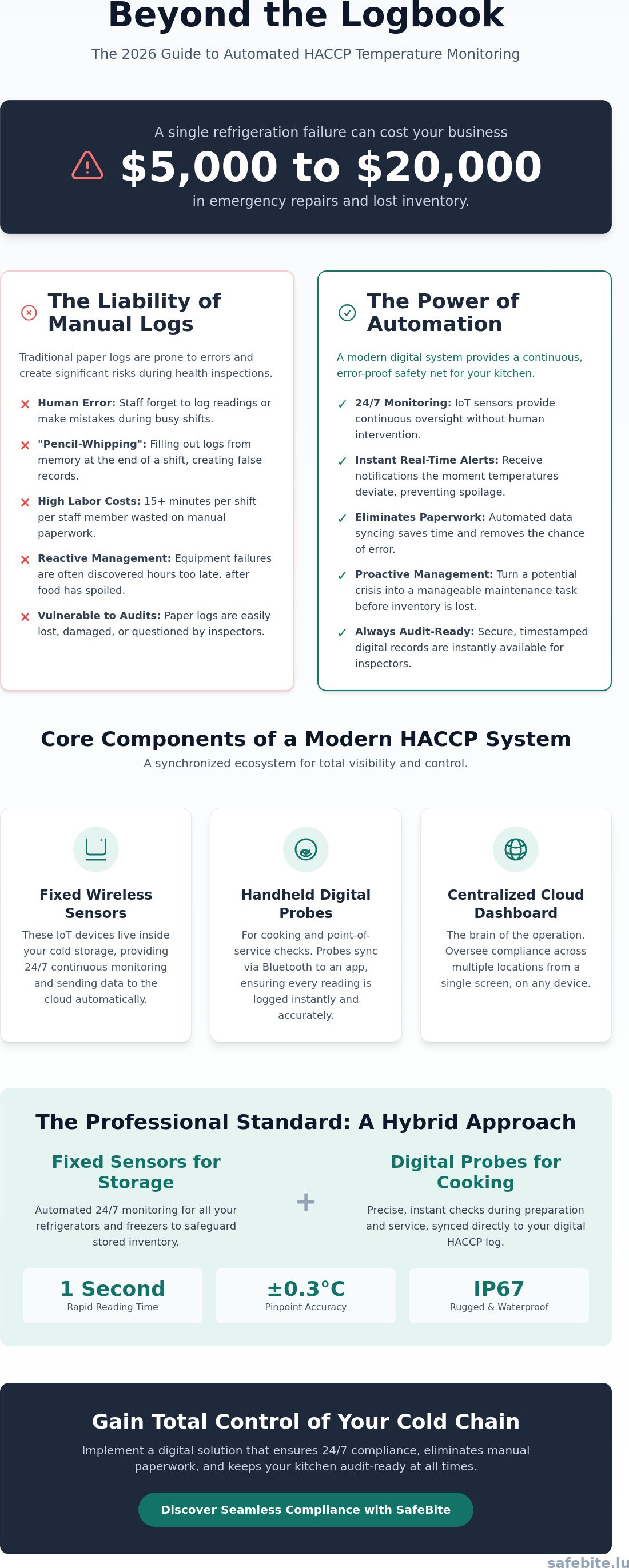
- Fixed wireless sensors: These devices remain inside your cold storage units, providing 24/7 continuous monitoring and sending data to the cloud at regular intervals.
- Handheld digital probes: Used for point-of-service and cooking checks, these probes sync via Bluetooth to ensure that every internal temperature reading is logged instantly.
- Centralized cloud dashboard: This serves as the brain of the operation, allowing multi-site managers to oversee compliance across several locations from a single screen.
Why Manual Temperature Logs are a Liability in 2026
Manual logs are frequently plagued by the "pencil-whipping" problem. This occurs when busy staff, overwhelmed by service demands, fill out temperature sheets at the end of a shift based on guesswork rather than actual readings. This practice creates a false sense of security and leaves you vulnerable during an inspection. Beyond the risk of inaccuracy, the labor costs are substantial. If a staff member spends 15 minutes per shift on manual checks and logging, those hours accumulate into a significant annual expense that could be better spent on food preparation or guest service. Human error is almost inevitable during peak hours; an automated system removes that variable entirely, ensuring your records remain pristine even when the kitchen is at its busiest.
Critical Features of a Food Temperature Probe with App
Handheld probes are the most active part of your food safety workflow. While fixed sensors watch the fridges, the probe is the tool your team uses during the heat of service. It's the bridge between a raw product and a safe, compliant meal. In a high-pressure kitchen, this device must do more than just display a number; it needs to act as a reliable data entry point that feeds directly into your digital records.
To withstand the rigors of a professional kitchen, hardware must be rugged and waterproof. A probe that fails after a splash of water or a drop on a tiled floor isn't just a nuisance; it's a gap in your compliance data. You should look for devices with high IP ratings and fast response times. High-end professional probes now offer readings in approximately one second with accuracy within ±0.3°C. This ensures that speed never comes at the expense of precision, allowing your staff to move through checks without slowing down the line.
Connectivity and Integration
Bluetooth probes are often the preferred choice for direct interaction with a tablet or smartphone. They provide a stable connection for immediate data transfer during a check. Wi-Fi probes, conversely, can transmit data over longer distances but may require more complex network management. The goal is a seamless sync where the reading moves from the probe to your broader HACCP temperature monitoring system without manual intervention. This automation follows the FDA's HACCP Principles & Application Guidelines regarding effective monitoring procedures. Even if your kitchen Wi-Fi drops, a high-quality system should include an offline mode, storing data locally until the connection is restored and the sync can resume.
Software Interface and User Experience
A busy line cook has only seconds to spare for a temperature check. An intuitive app design is non-negotiable. The interface should allow for "one-tap" logging, where the user selects the food item and the reading is captured instantly. Pre-set temperature thresholds for specific categories, such as poultry at 75°C or hot holding at 63°C, eliminate the need for staff to memorize complex regulatory limits. If a reading falls outside the safe range, the app should immediately trigger a corrective action prompt. This guides the employee through the necessary steps, whether that's reheating or discarding the item, ensuring that safety protocols are followed to the letter. This level of integrated oversight is exactly what we provide at SafeBite, helping you maintain a friction-free kitchen environment through a unified HACCP temperature monitoring system.
Wireless Monitoring vs. Manual Digital Probes: Choosing Your Setup
Selecting the right hardware for your kitchen isn't about choosing one device over another. It's about building a multi-layered defense. A robust HACCP temperature monitoring system utilizes a combination of fixed sensors and handheld tools to cover every possible risk point. While fixed sensors provide a constant heartbeat of your storage environment, handheld probes verify the safety of the food itself during active preparation. This dual approach ensures that no phase of the food journey is left unmonitored.
The financial justification for this technology is clear. A single refrigeration equipment failure can cost a business between $5,000 and $20,000 in emergency repairs and lost product. For larger facilities, an undetected failure can destroy over $100,000 in inventory within just six hours. Implementing real-time temperature alerts turns these potential disasters into minor adjustments. By receiving a notification the moment a unit deviates from its set range, you can intervene before spoilage occurs, protecting both your margins and your reputation.
Fixed Sensors for Cold Storage
Fixed wireless sensors offer the 24/7 vigilance required for walk-ins, reach-ins, and blast chillers. They capture data continuously, even when the kitchen is closed and the staff has gone home. Modern IoT sensors are designed with high-gain antennas to maintain a stable signal through thick stainless steel doors and heavy insulation. To remain compliant with FDA HACCP principles and guidelines, these sensors must be calibrated regularly. This ensures the data they feed into your cloud dashboard is accurate and legally defensible during an audit.
Portable Probes for Daily Operations
While sensors watch the environment, a food temperature probe with app handles the active transitions where food is most vulnerable. This process starts at the loading dock; verifying the temperature of incoming deliveries ensures you never accept compromised stock into your kitchen. During service, these probes are essential for monitoring internal cooking temperatures and hot-holding units. They are particularly valuable for managing cooling and reheating logs, which are the most common points of failure during health inspections. By automating these readings with a digital probe, you ensure every timestamp and temperature is recorded accurately, removing the risk of human error during the busiest parts of the day. This hybrid setup is the gold standard for a modern HACCP temperature monitoring system, providing the granular oversight necessary for total compliance.
Implementing Your System: From CCP Identification to Audit Readiness
Transitioning to a digital HACCP temperature monitoring system requires a methodical rollout that prioritizes both regulatory accuracy and staff buy-in. It isn't enough to simply install hardware; you must integrate the technology into the heartbeat of your kitchen. The first step involves identifying your Critical Control Points (CCPs) for temperature, such as the receiving dock, cold storage units, and final cooking stations. Once these points are established, you can set your critical limits based on the latest Luxembourg food safety regulations, ensuring your thresholds align with the "Loi du 2 avril 2026" and ALVA enforcement standards.
Setting Critical Limits and Thresholds
In a professional kitchen, the "Danger Zone" is the range between 4°C and 60°C where pathogenic bacteria multiply most rapidly. To maintain safety, chilled foods must be kept at a maximum of 8°C, though 5°C is recommended for extended shelf life. Hot holding requires a minimum of 63°C. A Critical Limit is the maximum or minimum value to which a biological, chemical, or physical parameter must be controlled at a CCP. Your digital system allows you to customize alerts for different equipment; for instance, you might set a tighter threshold for a low-boy prep fridge that is opened frequently compared to a long-term walk-in freezer.
Once your limits are set, the focus shifts to the "digital first" workflow. Training your staff to use the app for every check ensures that data is captured in real time, rather than retrospectively. Establish a verification schedule where a manager reviews the collected data weekly. This process confirms that monitoring is happening correctly and that any deviations were met with the proper corrective actions. By the time a health inspector arrives, your automated reports are ready to demonstrate a perfect history of compliance.
Staff Training and Culture
Resistance to new technology often stems from a fear that it will add more work to an already busy shift. You can overcome this by demonstrating how the app actually saves time by removing the need for manual filing and paper storage. Many kitchens find success in gamifying compliance, using the digital logs to increase accountability and recognize teams that maintain perfect records. This approach fosters a "Safety First" culture where real-time feedback empowers staff to take ownership of food safety. When an employee receives an instant alert that a fridge door was left ajar, they can fix the problem immediately, preventing stock loss and reinforcing the value of the system.
Ready to modernize your kitchen's compliance? Explore how SafeBite can automate your temperature monitoring and prepare your team for a seamless digital transition.
The SafeBite Advantage: Seamless Compliance for Luxembourg Hospitality
SafeBite provides a comprehensive solution that transforms how Luxembourg kitchens handle food safety. By integrating digital food safety checklists directly with our HACCP temperature monitoring system, we remove the silos between different compliance tasks. Your staff no longer needs to jump between paper forms and digital probes; every reading and task is captured within a single, unified workflow. This integration is particularly vital in Luxembourg's evolving regulatory environment, where the national law of April 2, 2026, has heightened the focus on verifiable, timestamped data. We act as your local partner, offering a system designed with a deep understanding of ALVA enforcement standards and national hygiene requirements.
Centralized Oversight for Multi-Site Groups
Managing food safety across multiple locations often leads to visibility gaps. Our Multi-site Management Dashboard solves this by aggregating data from every kitchen into a single view. You can compare performance across different restaurant branches, identifying which teams are excelling and which might need additional support. This high-level oversight allows you to spot systemic issues, such as a recurring refrigeration fault in a specific unit, before it leads to a facility closure or significant stock loss. Remote auditing becomes a reality; you can verify that every temperature check was completed on time without needing to leave your office. It's a level of control that traditional paper-based systems simply cannot provide.
Ready for Your Next Inspection?
Unannounced health inspections don't have to be a source of anxiety. SafeBite ensures you're "inspection-ready" every day by maintaining a pristine, digital history of your operations. When an official arrives, you can generate professional, one-click PDF reports that display your temperature logs and corrective actions in a format auditors recognize and trust. While manual logs are often questioned for their accuracy, our digital records provide tamper-proof evidence of your commitment to safety. This historical data storage allows you to prove compliance over months or even years, protecting your brand reputation and significantly reducing liability. Beyond temperature tracking, our platform also includes an Allergen Management Tool, ensuring that every facet of your food safety plan is as robust and modern as your kitchen.
Modernizing your compliance doesn't just satisfy regulators; it builds a more efficient, profitable business. By choosing a partner that understands the specific needs of Luxembourg's hospitality sector, you're investing in a future where safety is automated and your focus remains on the plate.
Securing Your Kitchen's Future with Digital Precision
The transition from reactive manual checks to a proactive, automated ecosystem is no longer a luxury for professional kitchens; it's a necessity for operational survival. By combining fixed wireless sensors for continuous storage oversight with app-connected handheld probes for daily service, you eliminate the risks associated with human error and inaccurate record-keeping. A modern HACCP temperature monitoring system does more than just record numbers. It acts as a proactive insurance policy that protects your inventory, your staff's time, and your brand reputation against the high costs of equipment failure.
Implementing a digital workflow ensures you're always ready for the next unannounced inspection with verifiable, timestamped data. Our solution is designed specifically for the Luxembourg hospitality sector to meet the most rigorous national standards. It replaces 100% of paper temperature logs and provides real-time alerts for 24/7 peace of mind, allowing you to manage multiple sites with absolute confidence. Book a SafeBite Demo to Automate Your Kitchen Compliance Today and see how easy it's to turn regulatory requirements into a streamlined competitive advantage. Embracing these digital tools allows you to focus on culinary excellence while knowing your compliance's handled with absolute precision.
Frequently Asked Questions
What is a HACCP temperature monitoring system?
A HACCP temperature monitoring system is a digital network of hardware and software designed to automate the tracking of food temperatures at critical control points. It replaces manual paper logs with real-time data from IoT sensors and handheld probes. This ensures continuous oversight and instant audit readiness by capturing data every few minutes rather than just a few times a day.
Is a food temperature probe with an app required by law in Luxembourg?
No specific law dictates that you must use a digital probe; however, the Luxembourg National Food Law of April 2, 2026, strengthens the enforcement of EU Regulation (EC) No 852/2004. These regulations mandate that food businesses maintain robust, verifiable monitoring procedures. Digital systems are becoming the industry standard because they provide the timestamped, tamper-proof records that ALVA auditors now prioritize over retrospective paper logs.
How often do wireless temperature sensors need to be calibrated?
Most industry standards and regulatory bodies recommend that wireless temperature sensors undergo calibration at least once per year. Regular calibration ensures the accuracy of the data feeding into your HACCP temperature monitoring system. You should maintain a record of these calibration certificates within your digital dashboard to demonstrate the integrity of your monitoring equipment during health inspections.
Can an automated system really prevent food waste?
Yes, automated systems prevent food waste by providing immediate push notifications the moment a refrigeration unit deviates from its safe temperature range. Instead of discovering a failure hours later when stock's already spoiled, you receive an alert that allows for proactive intervention. This capability is vital as detecting a failure early can save thousands in inventory that would otherwise be discarded.
What happens if the power goes out? Does the system still monitor?
Professional systems are designed with battery backups and local data storage to handle power or internet outages. While the cloud dashboard might lose its live feed, the sensors continue to record data locally. Once power or connectivity's restored, the system automatically syncs the cached data. This ensures no gaps appear in your compliance history even during technical disruptions.
How much does a digital HACCP temperature system cost for a small restaurant?
The investment for a digital system varies based on the number of refrigeration units and the complexity of your kitchen layout. Most businesses find that the reduction in labor costs and the prevention of even a single stock loss event quickly offsets the initial setup. You should consider the balance between initial hardware costs and the long-term value of automated compliance and 24/7 peace of mind.
Do I need a separate app for each fridge sensor and probe?
You don't need separate applications for different devices. A professional system integrates every sensor and handheld probe into a single, unified dashboard. This centralized approach allows you to manage cold storage, cooking temperatures, and digital checklists from one interface. It simplifies training for your staff and provides a comprehensive overview for management across all locations.
Can the data from these systems be used in a legal defense?
Yes, the timestamped and tamper-proof data generated by these systems serves as powerful evidence of due diligence. In the event of a food safety dispute or a legal challenge, having a complete, verifiable history of temperature compliance demonstrates that your business took every reasonable precaution. Digital records are far more defensible than manual logs because they cannot be easily altered or retrospectively completed.