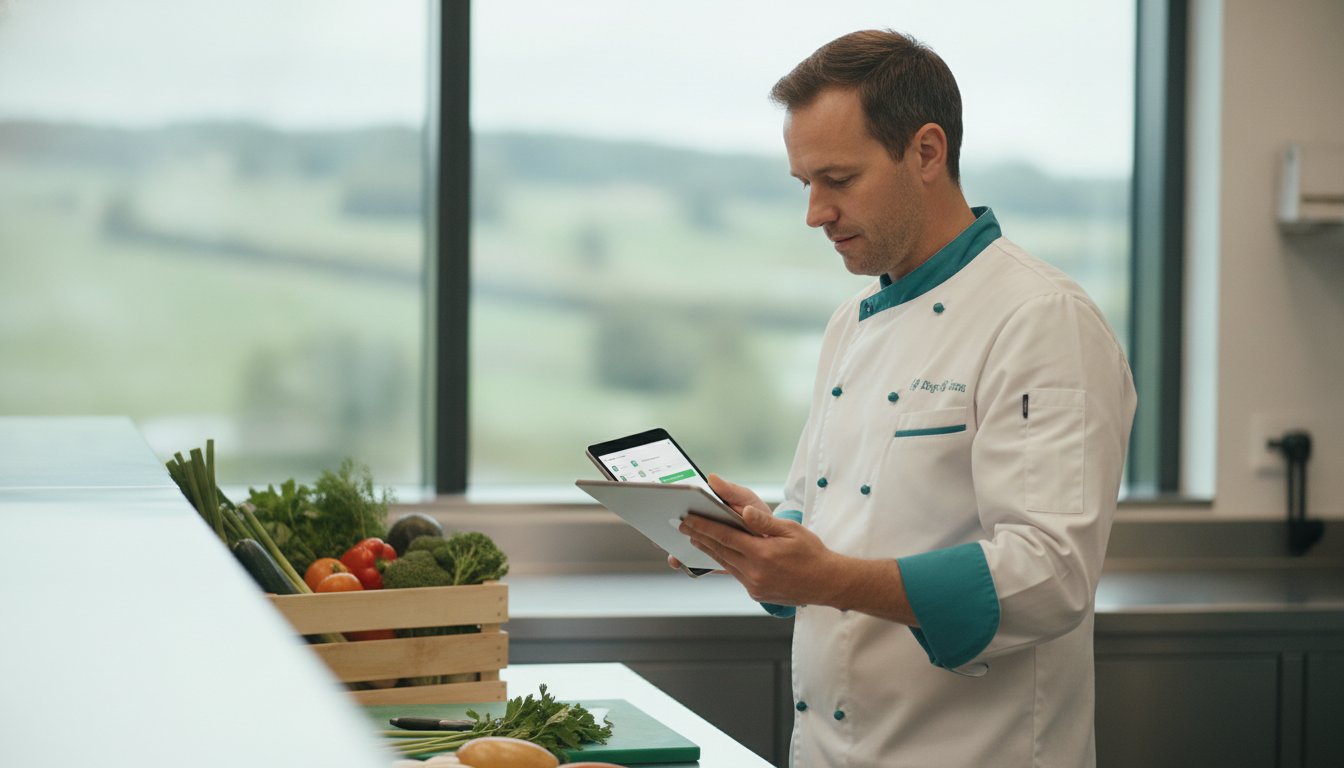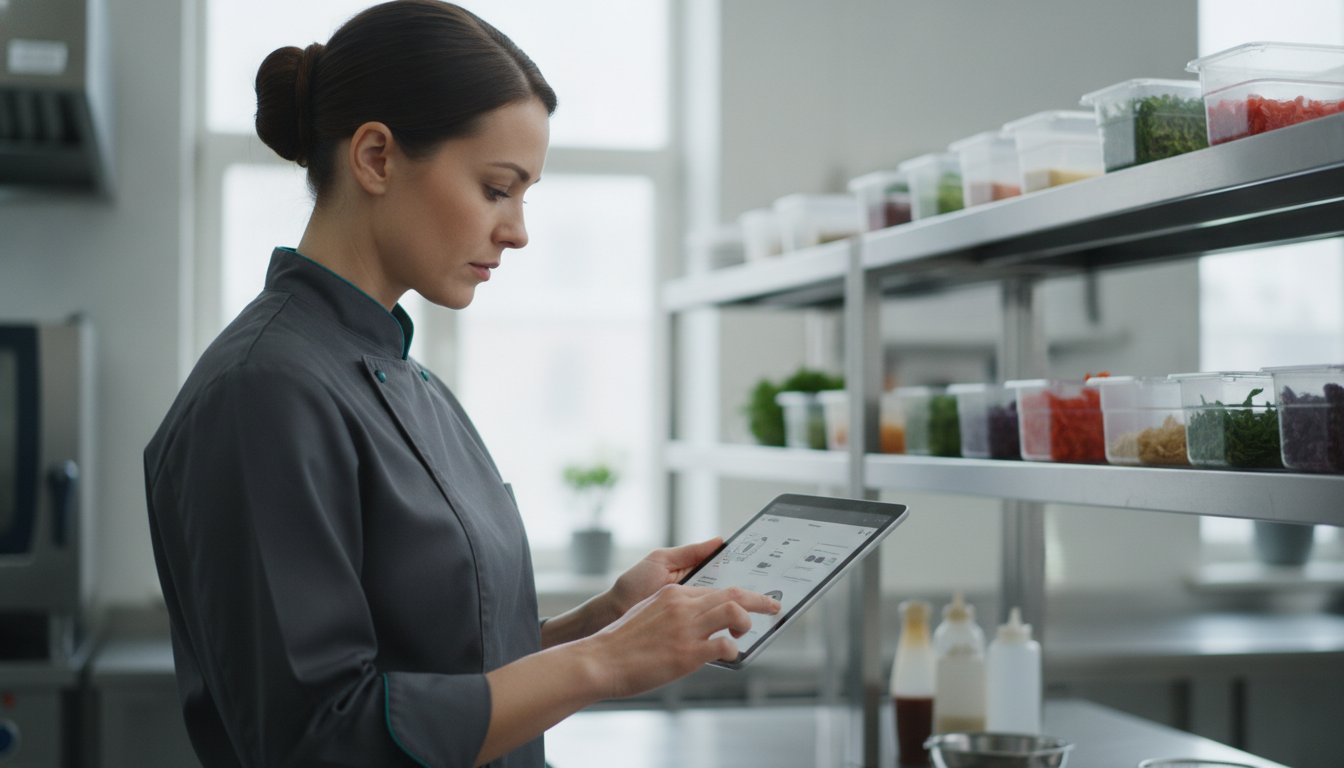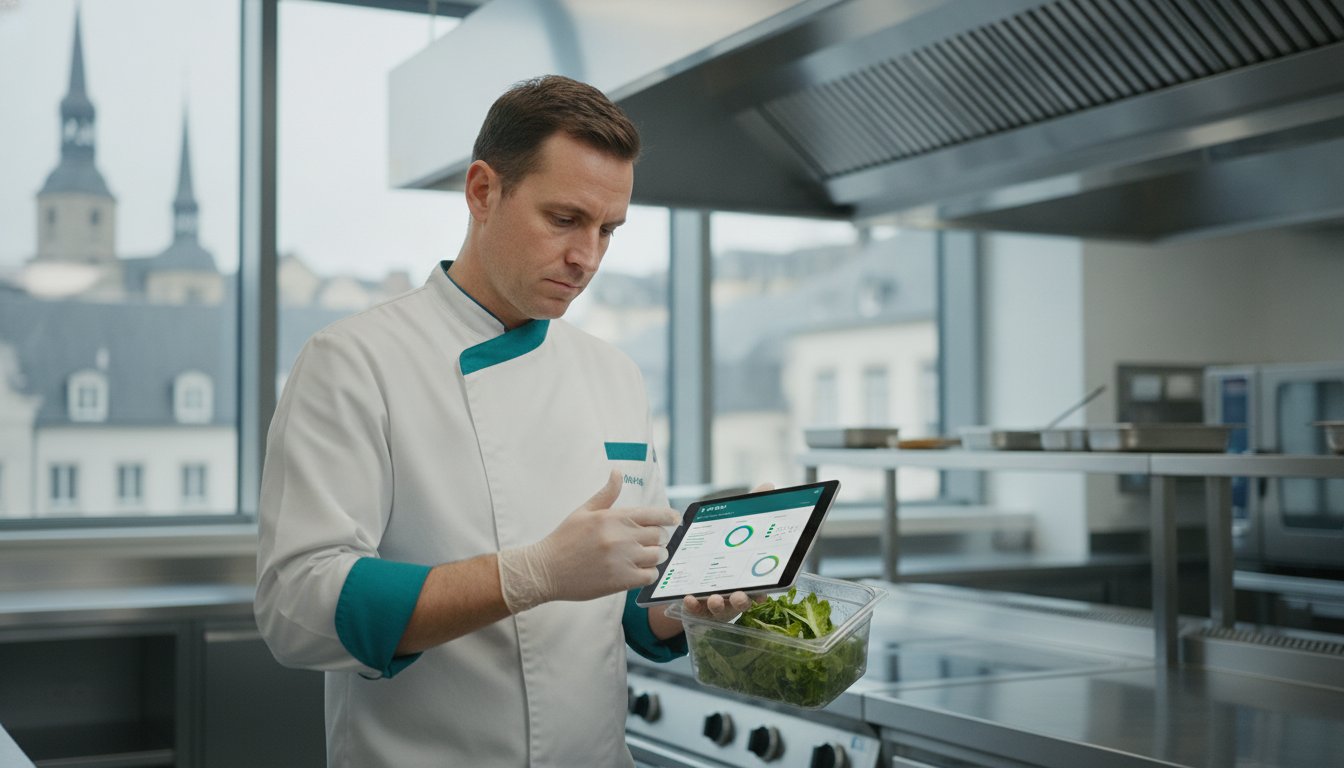
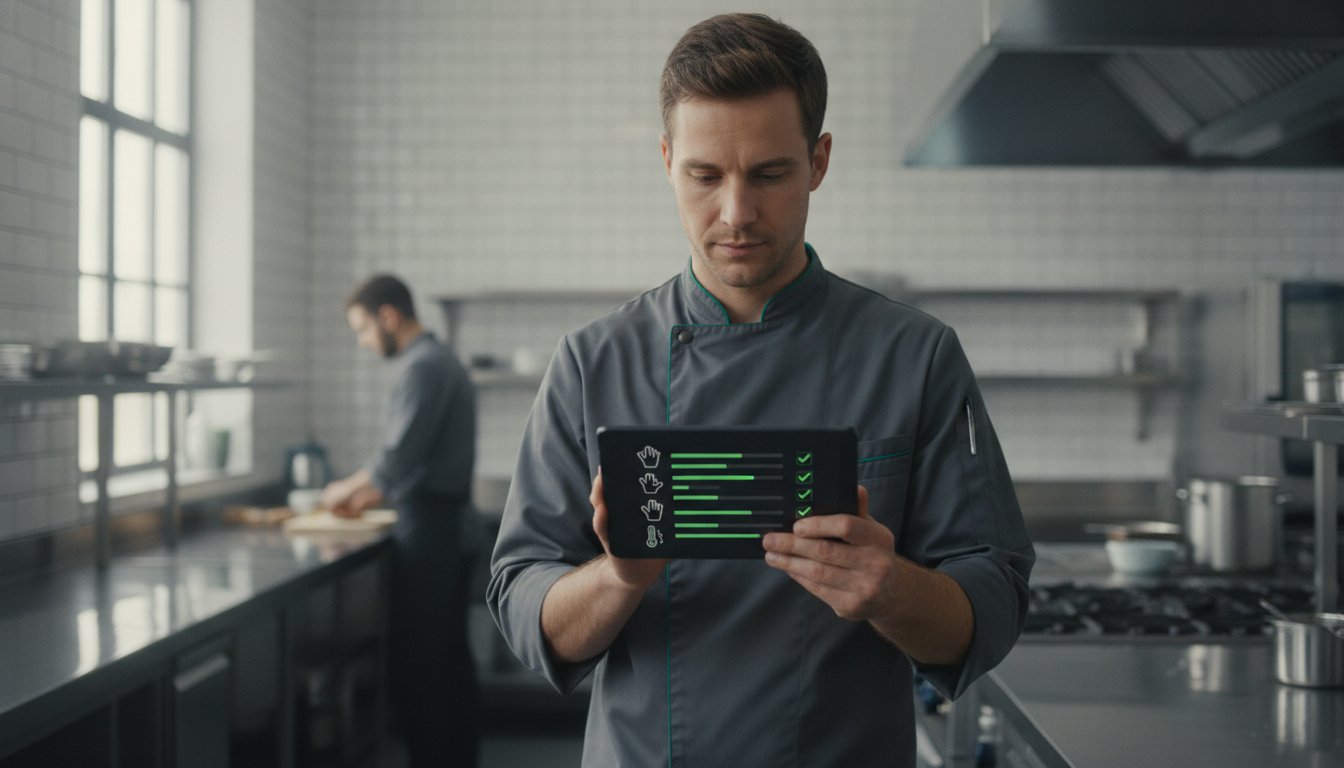
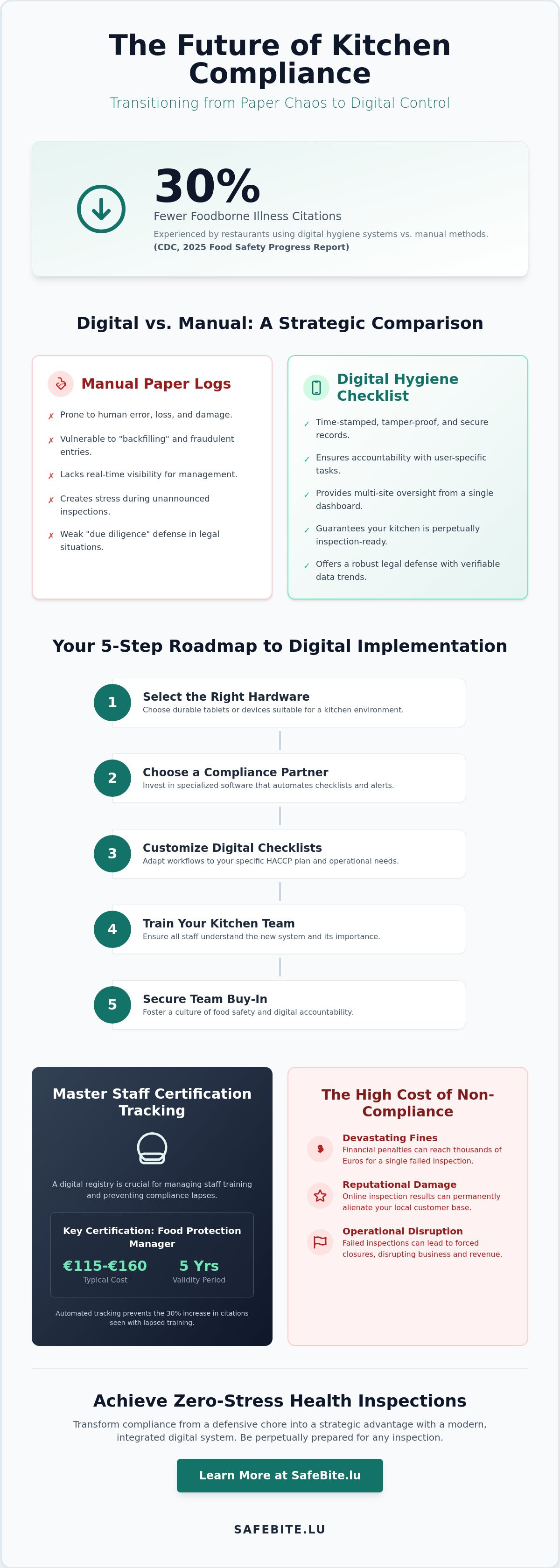
Restaurants that implement digital hygiene monitoring systems experience 30% fewer foodborne illness citations than those using manual methods, according to the CDC's 2025 Food Safety Progress Report. This shift toward a digital kitchen hygiene checklist is no longer just a modern convenience; it is a fundamental requirement for maintaining a culture of proactive vigilance. You likely understand the frustration of discovering incomplete paper logs minutes before an inspector arrives or the administrative headache of tracking dozens of expiring food safety certificates across multiple shifts. These manual processes are prone to human error and create unnecessary risks for your reputation and your bottom line.
We agree that your professional focus is better spent on operational excellence rather than chasing signatures or managing inconsistent standards. This guide provides a clear path to transition from chaotic filing cabinets to a streamlined digital system that ensures your staff is always certified and your kitchen is perpetually inspection-ready. We will examine how to implement automated training reminders and gain real-time visibility across all your sites, transforming regulatory compliance from a defensive chore into a strategic advantage for your Luxembourg-based operations. By the end of this article, you will have the roadmap to achieve zero-stress health inspections through modern, integrated technology.
Key Takeaways
- Learn how to replace reactive paper logs with a proactive digital kitchen hygiene checklist that provides time-stamped, tamper-proof records for every shift.
- Understand the core staff certifications required for 2026 and how to manage them via a centralised digital registry to prevent lapses in compliance.
- Discover the operational advantages of automated data entry over manual filing, focusing on increased accuracy and reduced administrative burden during audits.
- Follow a practical five-step roadmap to implement your digital workflow, from selecting the right hardware to securing essential buy-in from your kitchen team.
- Explore how automated alert systems can transform your daily hygiene management into a seamless, inspection-ready process across multiple locations.
The Evolution of Hygiene: Why Digital Checklists are Essential for 2026 Compliance
A digital kitchen hygiene checklist represents more than a simple transition from paper to pixels. It is a dynamic, time-stamped ecosystem that captures staff compliance as it happens. Unlike static binders, these systems provide a living record of operational integrity. This evolution moves your business from reactive damage control to proactive, real-time oversight. National food safety authorities in Luxembourg and beyond increasingly favour these digital records because they align with fundamental HACCP principles by ensuring data is captured at the critical control point. This transition also fosters a robust Food Safety Culture where every team member understands their role in maintaining high standards through transparent, verifiable actions.
From Paper Logs to Real-Time Oversight
Manual systems frequently fail due to human nature. Pages go missing; binders become stained and illegible. The most significant risk, however, is "backfilling," where staff record data hours or even days after the fact to satisfy an inspector. A digital kitchen hygiene checklist eliminates this vulnerability through unalterable timestamps. These records ensure accountability and prevent fraudulent entries by locking data once it is submitted. Maintaining this level of precision is essential for meeting the latest Luxembourg food safety regulations, which demand transparent and verifiable documentation for every site.
The Cost of Non-Compliance in the Digital Age
The financial impact of a failed inspection in 2026 can be devastating for a hospitality business. Fines often reach thousands of Euros, but the reputational damage is frequently permanent. In an era where inspection results are often published online, a single lapse can alienate your local customer base. Digital records offer a robust legal "due diligence" defense that paper logs simply cannot provide. Modern inspectors no longer look for a single day of perfect scores. They look for data trends that prove consistent compliance over time. If you can demonstrate three months of perfect temperature logs with a few taps on a tablet, you project a level of professional competence that a messy manual binder can never replicate. This shift to digital monitoring turns compliance into a strategic asset rather than an administrative burden.
- Accountability: Digital logs assign specific tasks to individual staff members.
- Visibility: Management can monitor hygiene standards across multiple sites from a single dashboard.
- Readiness: Your kitchen is always prepared for unannounced inspections.
Mastering Staff Certification Tracking for Food Handling
Effective food safety management requires a dual-track approach. While a digital kitchen hygiene checklist ensures that daily tasks are completed, staff certification tracking ensures that the individuals performing those tasks possess the verified expertise to do so safely. In 2026, relying on a physical folder of faded certificates or a disconnected spreadsheet is a significant operational risk. Modern regulatory environments, including those in Luxembourg, demand a centralised digital registry where training records are as accessible and unalterable as your temperature logs. This integration transforms compliance from a reactive scramble into a steady state of readiness.
Professional kitchens now require a suite of certifications that vary by role and responsibility. For instance, a Food Protection Manager certification, which typically remains valid for five years, can cost between €115 and €160. Ensuring that every shift is anchored by a certified manager is not just best practice; it's a safeguard against the 30% increase in citations often seen in kitchens with lapsed training. By moving these records into an automated compliance dashboard, you eliminate the administrative burden of manual tracking and gain a high-level view of your team's qualification status.
Building a Digital Certification Matrix
The first step toward a modern system involves a comprehensive audit of your current personnel files to identify immediate gaps. Once you've collected the necessary documents, upload them to a secure cloud platform for instant retrieval during unannounced inspections. It's essential to map specific certifications to kitchen roles. A head chef requires different credentials than seasonal service staff. This matrix ensures that your digital kitchen hygiene checklist is always backed by the appropriate level of expertise, providing a robust "due diligence" defense if an incident occurs.
Automating Renewal Alerts and Training
The true power of a digital system lies in its ability to look forward. Configure your platform to trigger automated reminders at 30, 60, and 90-day intervals before a food safety certificate expires. This proactive approach prevents the common pitfall of discovering a lapse only after an inspector points it out. You can further mitigate risk by integrating certification status with your daily shift logs. This ensures that only qualified staff are assigned to high-risk tasks, such as allergen management or complex HACCP monitoring. For those managing multiple sites, using a multi-site management dashboard allows you to oversee training compliance across your entire organisation from a single screen. This streamlined onboarding process for new hires ensures that their initial hygiene training is digitised and verified from day one, maintaining the integrity of your food safety culture.
Digital vs. Manual Hygiene Tracking: A Strategic Comparison
Choosing between traditional paper logs and a digital kitchen hygiene checklist is often the difference between mere compliance and true operational control. Manual filing systems are inherently reactive. They rely on the memory and diligence of staff members at the end of a long, demanding shift. Conversely, automated systems provide a structured, proactive framework that captures data at the point of action. This strategic shift doesn't just improve hygiene; it fundamentally changes how your management team allocates its most valuable resource: time.
The accuracy levels of automated systems far exceed human-led paper logs. Manual entries are prone to illegible handwriting, missing dates, or "creative" recording that doesn't reflect reality. Digital systems use mandatory fields and logic checks to ensure every entry is complete and accurate before it can be submitted. For multi-site hospitality groups, this level of precision is the only way to ensure consistent standards across different locations without constant physical audits.
Efficiency and Resource Allocation
Implementing digital food safety checklists can save a busy kitchen manager up to five hours per week in administrative oversight. Instead of manually verifying dozens of signatures across various binders, managers receive instant notifications if a critical task is missed. You can then reclaim this time to focus on food quality and the guest experience. Furthermore, businesses eliminate the hidden costs of physical storage. Storing years of paper logs for multiple sites requires significant square footage and administrative effort. Going paperless provides a clear environmental benefit while removing the clutter of overflow binders from your office.
Data Integrity and Inspection Confidence
Data integrity is the cornerstone of inspection confidence. Cloud storage protects your records from common kitchen hazards like fire, water damage, or accidental spills that can render paper logs illegible and useless during an audit. When an official enters your premises, the "Inspection Speed" factor becomes critical. Presenting a clean, professional digital dashboard immediately signals to the inspector that your facility is under control. There's a profound psychological benefit to this level of transparency. While a competitor might spend twenty minutes frantically flipping through binders to find a specific temperature record from last November, you can produce a searchable, time-stamped report in seconds. This speed doesn't just save time; it builds immediate trust with regulatory bodies. Your digital kitchen hygiene checklist becomes a testament to your professional competence rather than just a list of chores.
- Speed: Instant retrieval of historical data during unannounced audits.
- Security: Unalterable records that provide a robust legal defense.
- Scalability: Centralised oversight for multi-site operations from any device.
Implementing Your Digital Hygiene Workflow: A 5-Step Roadmap
Transitioning to a digital kitchen hygiene checklist requires a structured approach that respects the practical realities of a busy service environment. It isn't merely about replacing a pen with a tablet; it's about refining your standard operating procedures (SOPs) to be more efficient. The first step involves a comprehensive audit of your current manual logs to identify which tasks are essential and which are redundant. You'll also need to select appropriate hardware. Rugged, water-resistant tablets with antimicrobial cases are the industry standard for 2026, typically costing between €150 and €300 per unit depending on the specifications.
Once your hardware is ready, you must focus on the human element. Success depends on staff buy-in. If the team perceives the new system as a surveillance tool rather than a helpful assistant, adoption will stall. Explain how the digital system protects them by providing an unalterable record of their hard work and professional standards. A successful implementation follows these five stages:
- Step 1: Audit and Hardware Selection: Review existing SOPs and purchase durable tablets.
- Step 2: Zone-Based Customisation: Tailor checklists to specific areas like the pastry station or the walk-in fridge.
- Step 3: Staff Engagement: Conduct workshops to explain the "why" behind the digital shift.
- Step 4: The Pilot Week: Run the digital system alongside paper logs for seven days to iron out any workflow friction.
- Step 5: Full Rollout and Review: Retire the paper binders and begin using real-time data for management reviews.
Customising Checklists for Operational Reality
Checklists must mirror the natural flow of your kitchen. Differentiate between pre-shift setup, mid-service maintenance, and closing sanitation tasks to prevent "checklist fatigue." It's also vital to integrate your employee illness reporting policy for restaurants directly into the daily login process. Given the international nature of Luxembourg's hospitality workforce, ensure your digital kitchen hygiene checklist is available in multiple languages. This inclusivity ensures that every team member, regardless of their native tongue, can accurately record their compliance without confusion or error.
Training and Empowering the Frontline
Host a short, practical workshop rather than a long lecture. Show the staff how the platform handles edge cases, such as a fridge temperature dip during a heavy delivery. To ensure long-term success, appoint "Hygiene Champions" on each shift. These individuals act as first-line support for their colleagues and help maintain momentum. Use the digital reporting features to reward high compliance rates. When a team sees that their precision is recognised by management, it fosters a positive safety culture that goes beyond mere rule-following. To see how these workflows can be tailored to your specific site, explore our digital HACCP checklists and start your transition today.
SafeBite: The National Specialist in Digital Hospitality Compliance
SafeBite serves as a dedicated national platform designed specifically to bridge the gap between complex regulatory requirements and the daily operational pace of the hospitality industry. By centralising your digital kitchen hygiene checklist and staff certification records, the system provides a single source of truth that is both unalterable and time-stamped. This level of precision offers an "Audit-Ready" guarantee. When an official arrives, you don't need to search through drawers or worry about missing signatures. Instead, you present a professional record that demonstrates proactive vigilance and a commitment to safety. For business owners, the multi-site management dashboard provides a bird’s-eye view of compliance across every location, allowing for immediate intervention if standards begin to slip.
Integrated Certification and Hygiene Management
A common operational failure is treating daily tasks and long-term training as separate silos. SafeBite solves this by combining your digital kitchen hygiene checklist with a robust staff training vault. The platform's "Smart Reminder" logic identifies upcoming certification lapses months in advance, preventing gaps before they occur. We designed the user-friendly interface to withstand the heat and rapid pace of a professional kitchen. Large, intuitive buttons and clear visual cues mean that even during the busiest service, your team can record essential data accurately without slowing down. This integration ensures that every task is performed by a qualified individual, significantly reducing the risk of foodborne illness citations.
National Expertise for Local Success
Generic international software often fails to account for the specific inspection patterns and regulatory nuances found in Luxembourg. SafeBite is aligned with the latest Luxembourgish kitchen operations software standards, ensuring your documentation meets local expectations perfectly. Choosing a national partner also means you have access to local support and implementation expertise. We understand the specific challenges of the regional market and provide the hands-on guidance necessary to move your business into a digital-first future. Book a demo with SafeBite today to digitise your compliance logs and secure your kitchen’s reputation for the years ahead.
Securing Your Kitchen's Future with Proactive Compliance
The transition from fragmented paper binders to an integrated digital kitchen hygiene checklist is a fundamental shift toward operational precision. You've seen how unalterable timestamps and automated certification tracking eliminate the administrative burden of manual logs while reclaiming hours of management time. By centralising your data, you move beyond mere record-keeping into a state of perpetual readiness that protects both your reputation and your bottom line. This modern approach doesn't just satisfy inspectors; it builds a lasting culture of safety and excellence within your team.
SafeBite provides the sophisticated tools necessary to navigate this evolution with confidence. Our system ensures zero-paper inspection readiness through automated 2026 regulatory updates and a real-time multi-site management dashboard. These features allow you to maintain oversight of every station across every location from a single interface. Start your journey to digital compliance with SafeBite and experience the peace of mind that comes from total operational visibility. We're here to help you lead your kitchen into a more efficient, compliant future.
Frequently Asked Questions
What should be included in a digital employee hygiene checklist?
A comprehensive digital kitchen hygiene checklist should cover personal grooming, handwashing frequency, and illness reporting. Include specific verifications for clean uniforms, proper hair restraints, and the removal of jewelry. By digitising these daily requirements, you create a time-stamped record of compliance that proves your team is maintaining the highest standards during every shift. This structured approach ensures no critical step is overlooked during a busy service.
How often should food handling certifications be updated in 2026?
Certification validity periods vary depending on the specific qualification and local requirements. In 2026, most national food handler permits require renewal every 2 to 5 years, while advanced Food Protection Manager certifications are typically valid for 5 years. It's essential to track these expiration dates proactively to ensure a certified manager is always present on-site during operational hours. Automated reminders can help prevent these credentials from lapsing unnoticed.
Can health inspectors in Luxembourg legally accept digital hygiene logs?
Yes, Luxembourgish health authorities accept digital records that are unalterable and readily accessible during an audit. These logs must demonstrate a clear history of compliance and align with established HACCP principles. Providing an inspector with a clean, searchable digital dashboard often increases their confidence in your operational oversight compared to presenting manual binders. The ability to retrieve historical data instantly is a significant advantage during unannounced visits.
How do I ensure staff don’t just "tick boxes" on a digital checklist?
You can prevent superficial compliance by integrating mandatory photo uploads or temperature probe readings into your workflow. These features require staff to provide physical proof of a task rather than simply checking a box. Additionally, the unalterable timestamps in a digital kitchen hygiene checklist discourage backfilling. Management can see exactly when a task was recorded in real-time, which fosters a culture of genuine accountability across the team.
Is it possible to track certifications for multiple restaurant locations in one place?
Tracking certifications across several sites is best managed through a centralised multi-site management dashboard. This tool provides a consolidated view of your entire organisation's training status from a single login. You can quickly identify which locations have pending renewals and ensure that every branch maintains the same high level of qualification. This eliminates the need for physical site visits to verify personnel files or paper training logs.
What happens if our kitchen tablet or internet goes offline during a shift?
Professional digital systems feature an offline mode that allows staff to continue recording data without an active internet connection. The information is stored locally on the tablet and automatically syncs to the cloud once the connection is restored. This ensures that your hygiene records remain continuous and complete, even during temporary technical disruptions. Your data integrity is preserved, and you won't face gaps in your compliance history.
Are digital hygiene checklists more expensive than paper systems in the long run?
While there is an initial investment in hardware and software, digital systems are typically more cost-effective over time. You eliminate the recurring costs of paper, printing, and physical storage for years of archival logs. More importantly, you reclaim significant management hours previously spent on manual oversight. These savings in labor and administrative effort far outweigh the monthly subscription fees associated with modern compliance platforms.
How do I migrate my existing paper records into a digital system like SafeBite?
Migration begins with a thorough audit of your current personnel files and historical hygiene logs. You should digitise active staff certifications by uploading them to your new secure training vault for easy retrieval. For daily hygiene tasks, it's most effective to start fresh with the digital system. Use your old paper binders only as a historical reference for past inspection periods until they are no longer required by law.